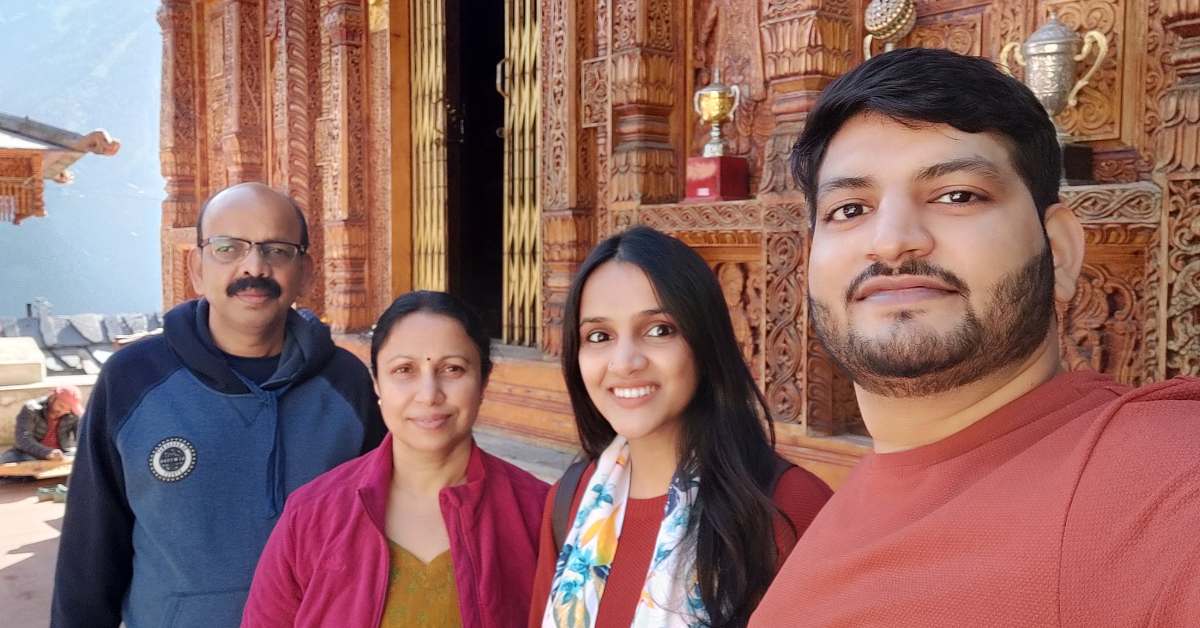
Spiti Valley—doesn’t it feel like everyone’s dream destination these days? Those majestic mountains, serene monasteries, and surreal landscape, it’s no wonder Spiti’s made its way onto so many bucket lists, including mine! But here’s the twist—I got to experience this magical place with my parents in 2021. So, if you want to plan a family trip, this guide will give you a (family-friendly) itinerary and answer all common queries.
Spiti Valley
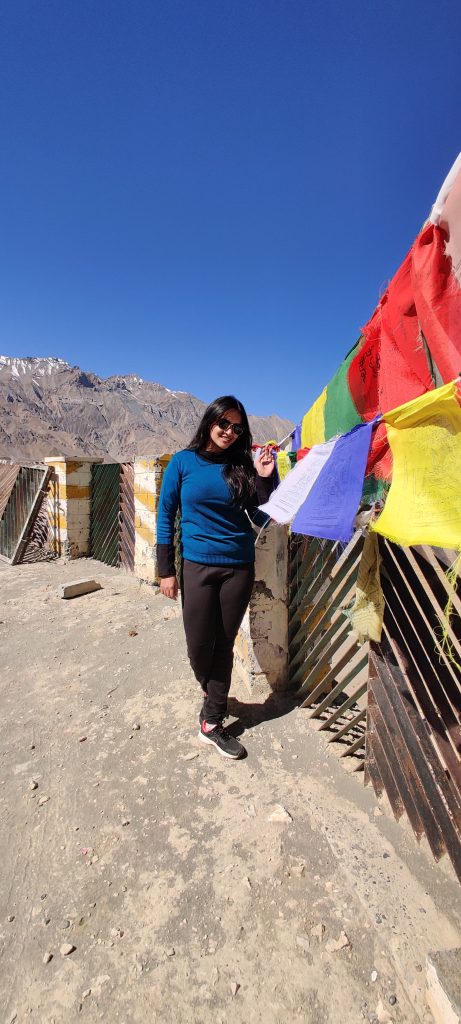
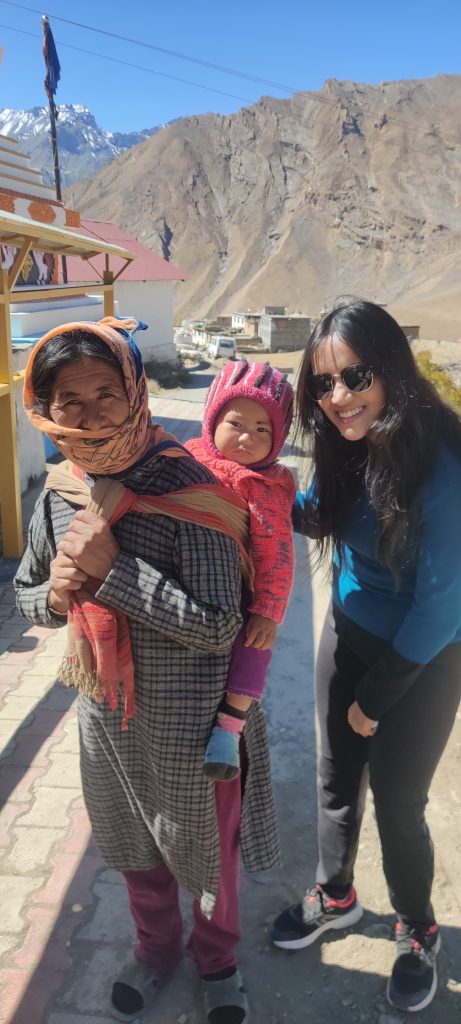
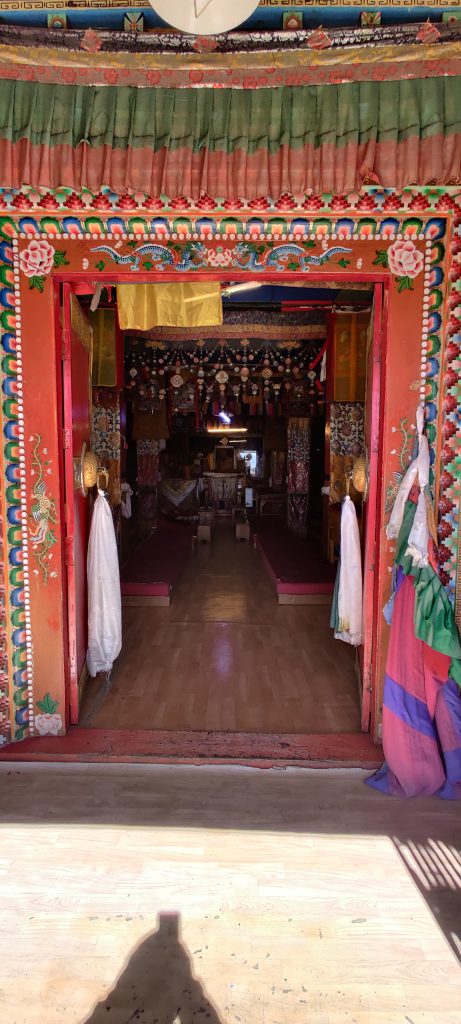
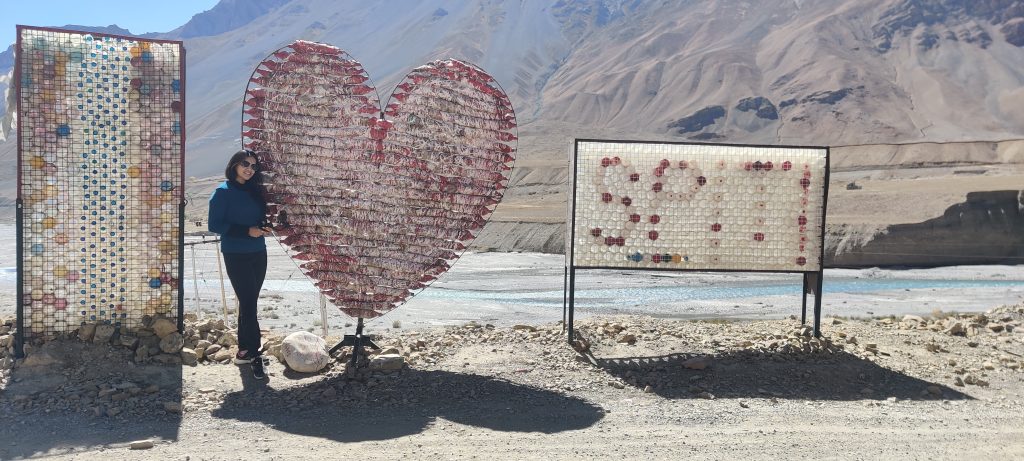
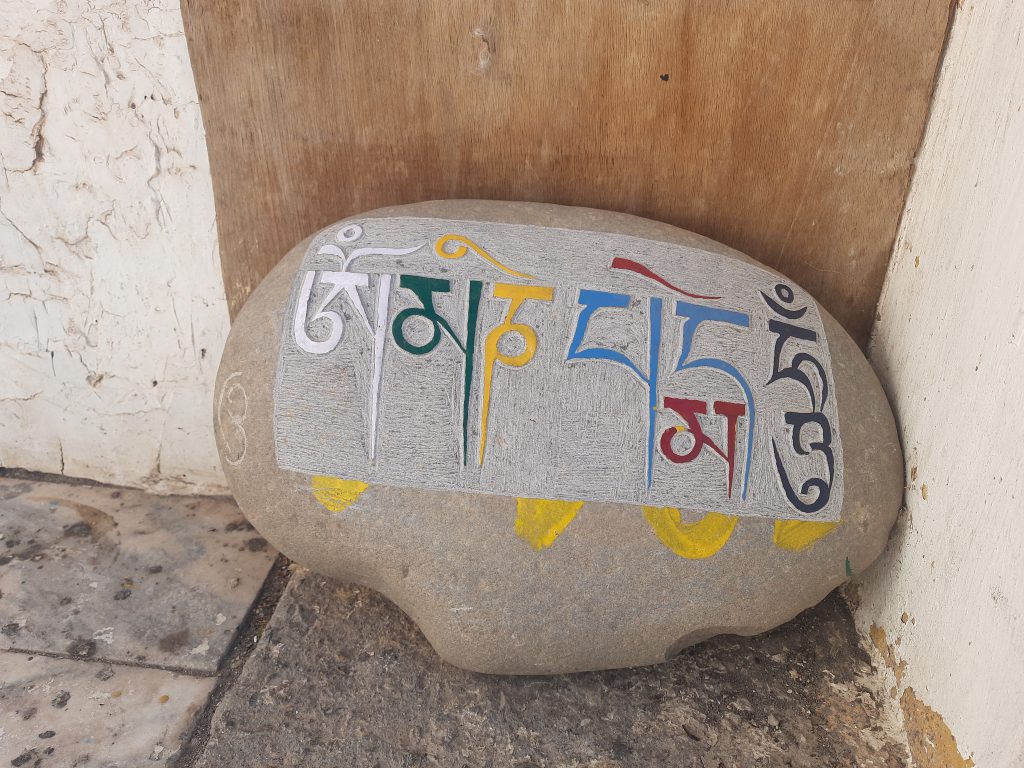
Spiti Valley, often called the “Middle Land” borders Tibet in the east, Ladakh in the north, Chamba and Kullu in the west and Kinnaur Valley in the south. This high-altitude desert is known for its stark landscapes, ancient monasteries, and unique Tibetan culture. Spiti sits at an average altitude of 3,810 meters and has been a spiritual and cultural hub for centuries. Its remote location and rugged beauty make it a dream destination for adventurers and peace-seekers.
I have a detailed guide to Spiti Valley from my 2018 travels with Incredible Spiti for all adventure seekers. This trip through the mesmerizing Spiti Valley was packed with multiple hikes across picturesque villages, offering the perfect blend of adventure and cultural immersion.
Spiti Valley Itinerary
Here is a glimpse of the itinerary we followed, through the Shimla-Kinnaur route for both start and end.
- Day 1 – Delhi – Matiana/Narkanda
- Day 2 – Narkanda – Kalpa
- Day 3 – Kalpa – Sangam Khaab – Nako
- Day 4 – Nako – Gue – Tabo – Kaza
- Day 5 – Kaza – Key – Kibber – Chicham Bridge – Hikkim – Langza – Kaza
- Day 6 – Kaza – Losar – Chandrataal – Kunzum Pass – Kaza
- Day 7 – Kaza – Pin Valley (Mud Village)
- Day 8 – Pin Valley – Kalpa
- Day 9 – Kalpa – Shoghi
- Day 10 – Shoghi – Delhi
If you wish to experience both Shimla and Manali routes, suggest starting at Shimla and ending at Manali. You can stay the night at Chandrataal and drive to Manali the next day.
On the contrary, if you would like to start and end at Manali, you can follow the itinerary from my 2018 trip with Incredible Spiti (linked above).
A Day-by-Day Travelogue
This itinerary is suited for a road trip to and from- Delhi and NCR cities. For any place else, the nearest domestic airport to Spiti valley is Bhuntar Airport in Shimla. Chandigarh is the nearest international airport. Kaza is 250km from Bhuntar and 500km from Chandigarh. A local Himachal Roadways bus or a hired taxi would take you to Kaza.
Day 1 – Delhi to Matiana/Narkanda
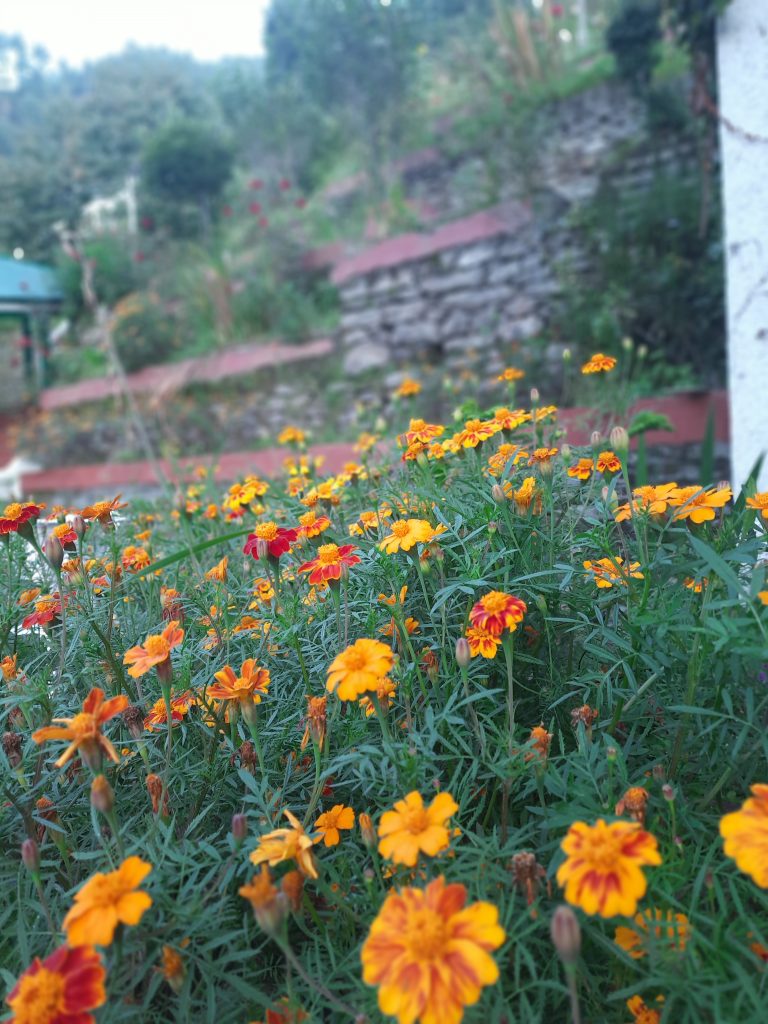
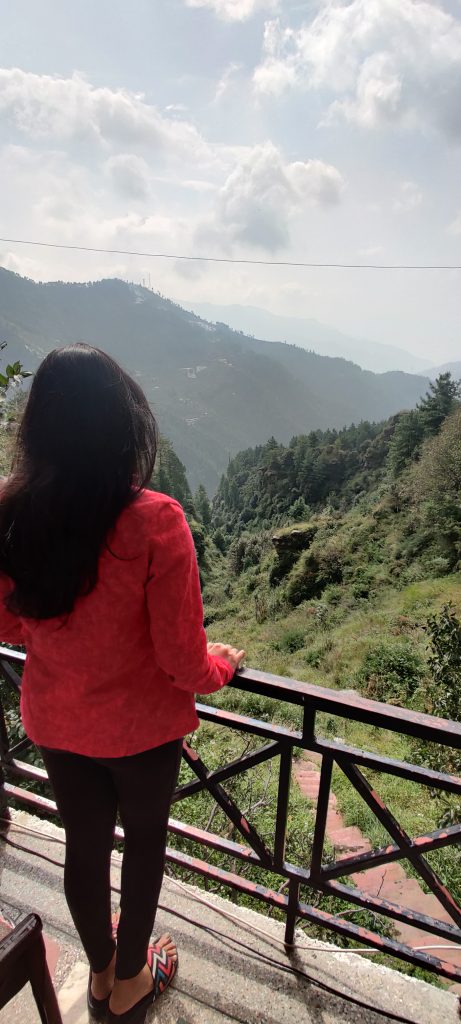
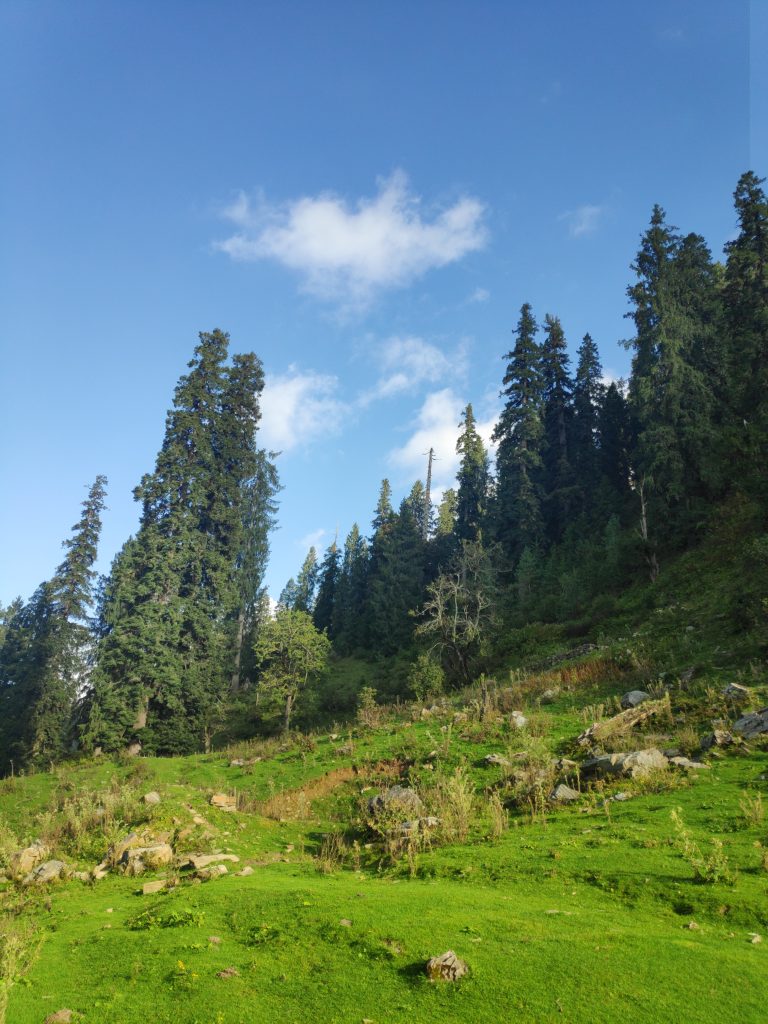
Matiana is about 420km from Delhi. It took us almost 8-9hrs to reach Matiana. We stayed the night here at Echor cottages. The place is beautiful and should be explored on a separate trip. You should pay a visit to the famous Hatu Mata Temple in Narkanda and seek blessing for a beautiful journey. Check out my travel guide on what to explore in and around Narkanda.
Day 2 – Matiana to Kalpa
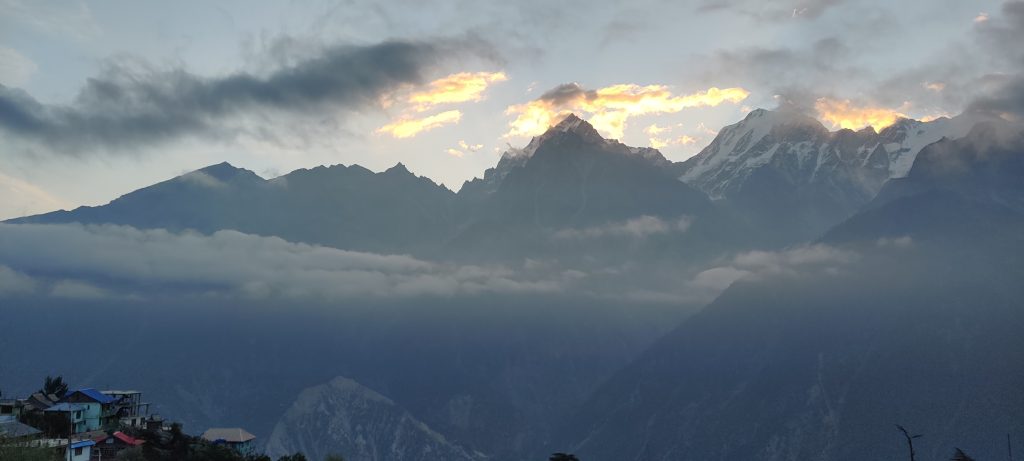
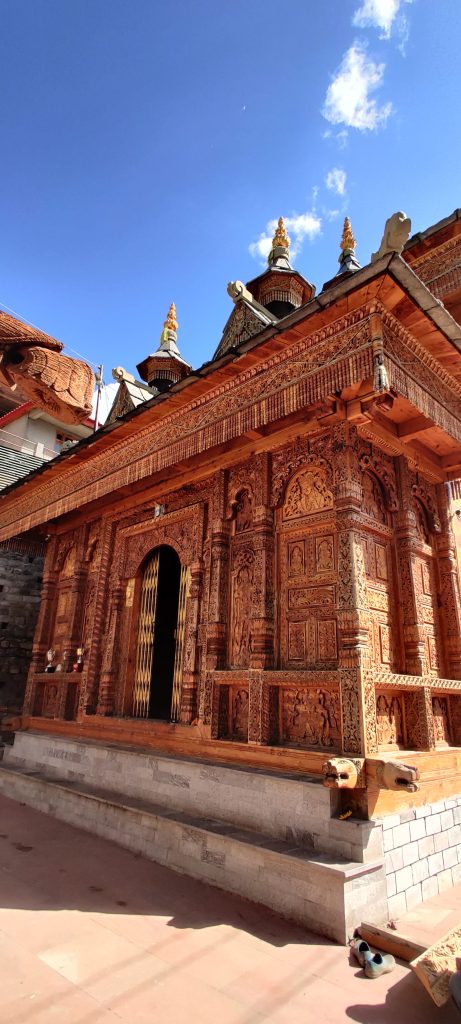
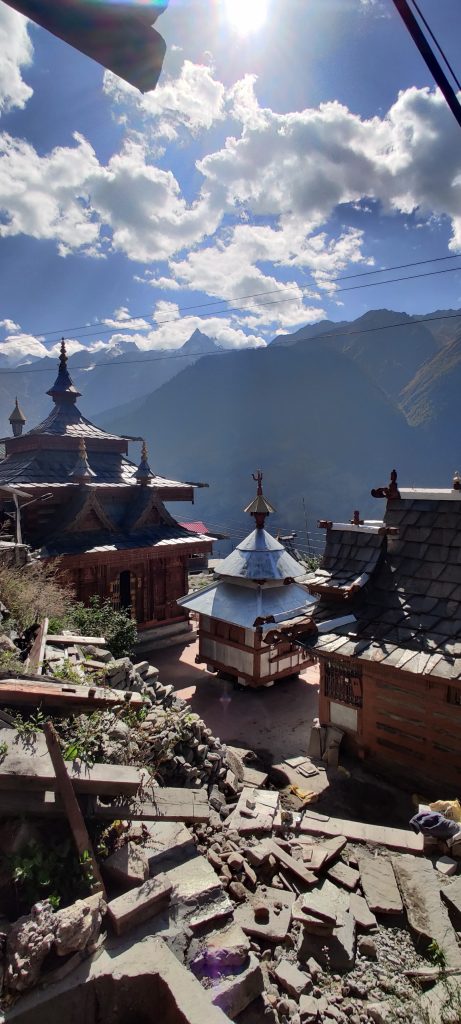
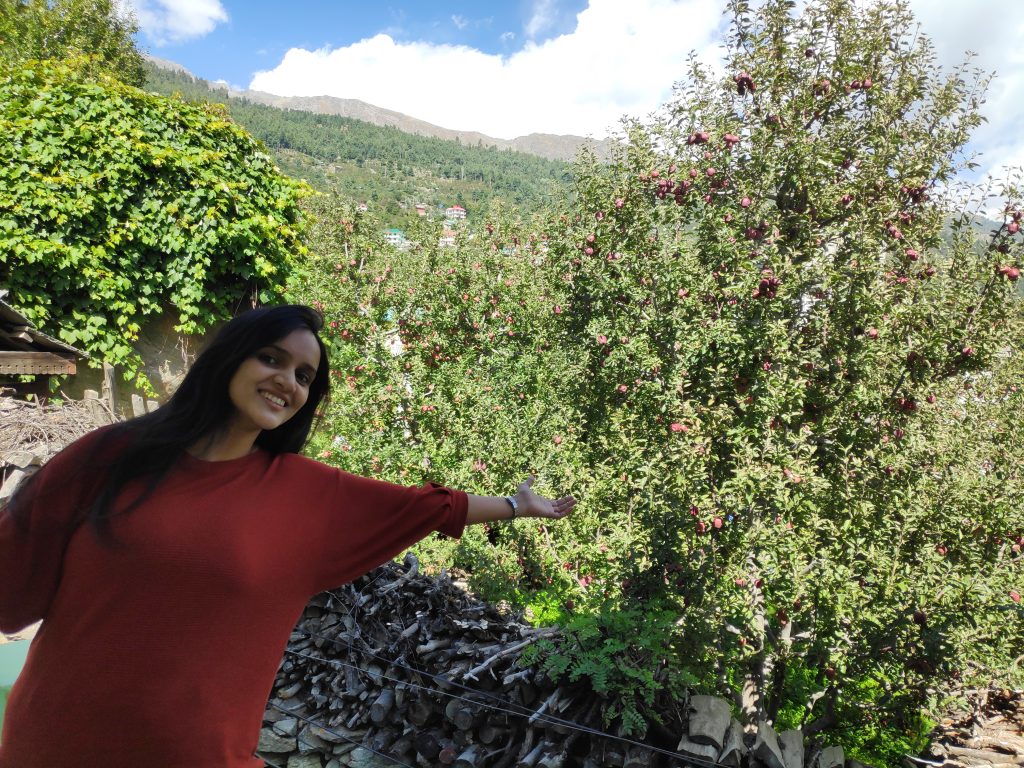
Kalpa is a small village above Reckong Peo in the Kinnaur district. The drive from Matiana to Kalpa through the scenic cliff-hanging Hindustan-Tibet Highway takes about 6 hrs. One of the most dangerous roads of the country, this area is frequented by landslides. Hence, it is advisable to start your day early.
While you are in Kalpa, soak in the charm of the majestic Kinnaur Kailash. Towering at an elevation of 6500m, this peak is believed to be the abode of Lord Shiva. Another famous viewpoint is the Suicide Point. This place offers mesmerizing views of deep valleys and snow-clad peaks. Take a short hike to Roghi Village to witness t.he slow mountain life of locals and enjoy the beauty of the Narayan Nagini temple, situated close by
Day 3 – Kalpa to Nako
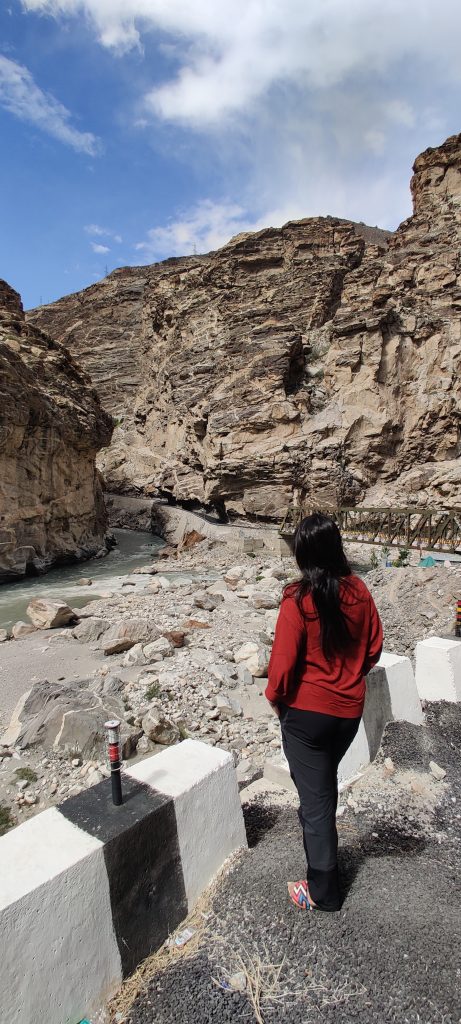
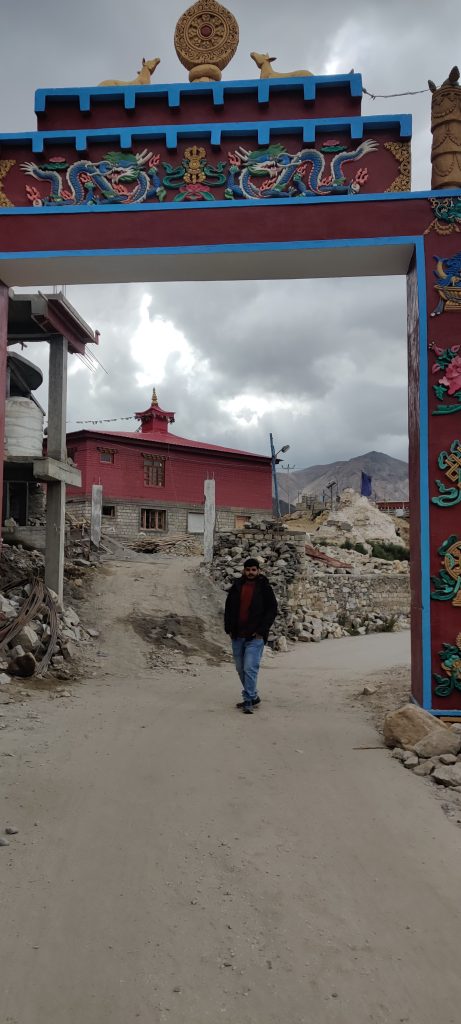
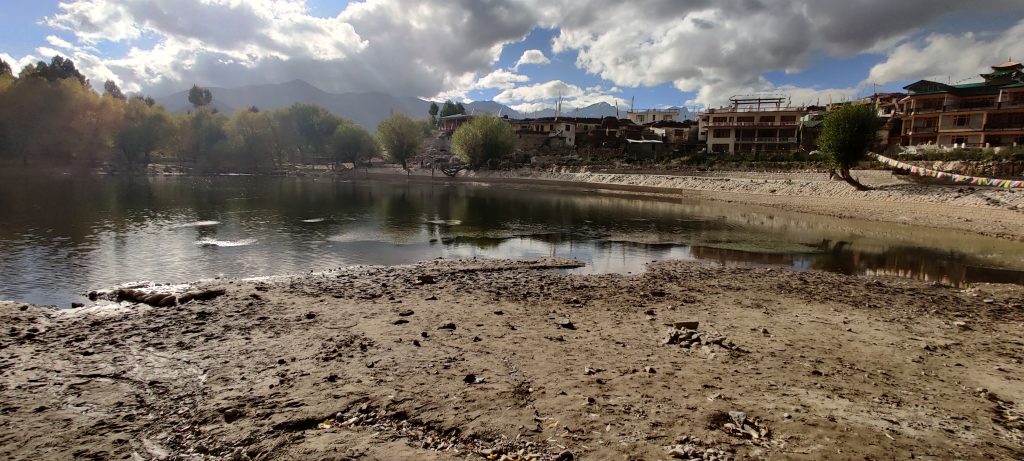
Reckong Peo has a full-fledged market. Remember to carry enough cash and fill your petrol tanks here. The next set of petrol pumps or ATM will be at Kaza.
Kalpa to Nako is about 100km. Take a pit stop at Sangam Khab which is a confluence of Spiti river and Sutlej River. The weather in Nako drastically changes during morning and evening. Have your thermals on, at all times as it tends to get windy. You can spend the evening by the Nako lake and visit the renowned Nako Gompa.
Day 4 – Head to Kaza.
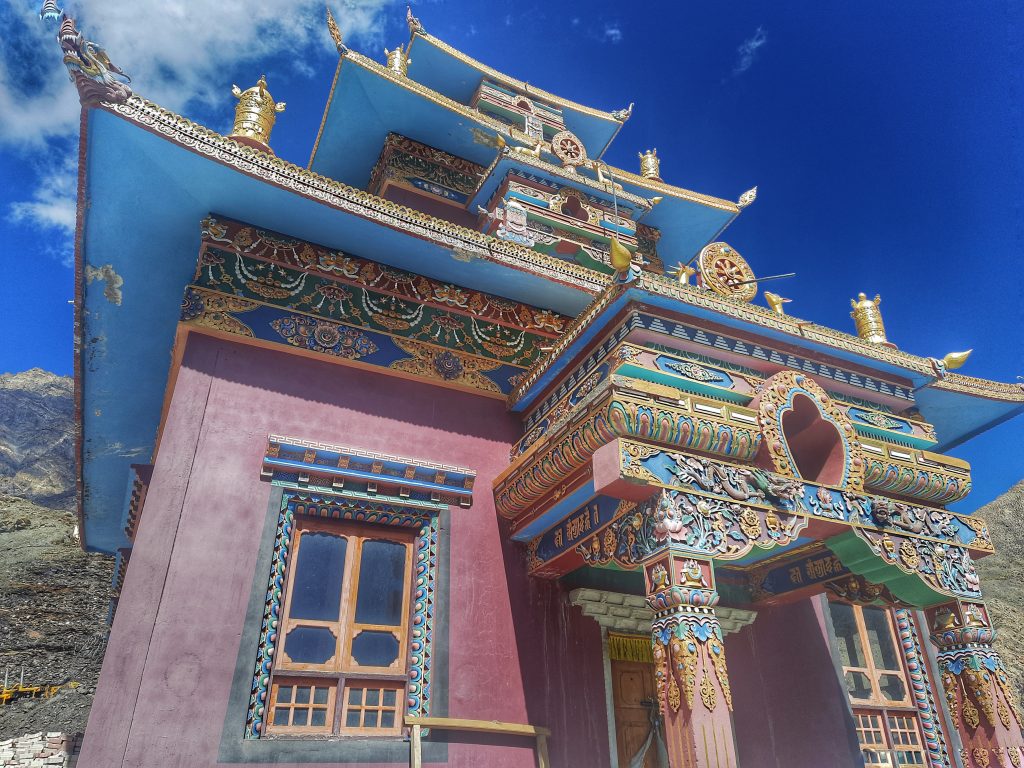
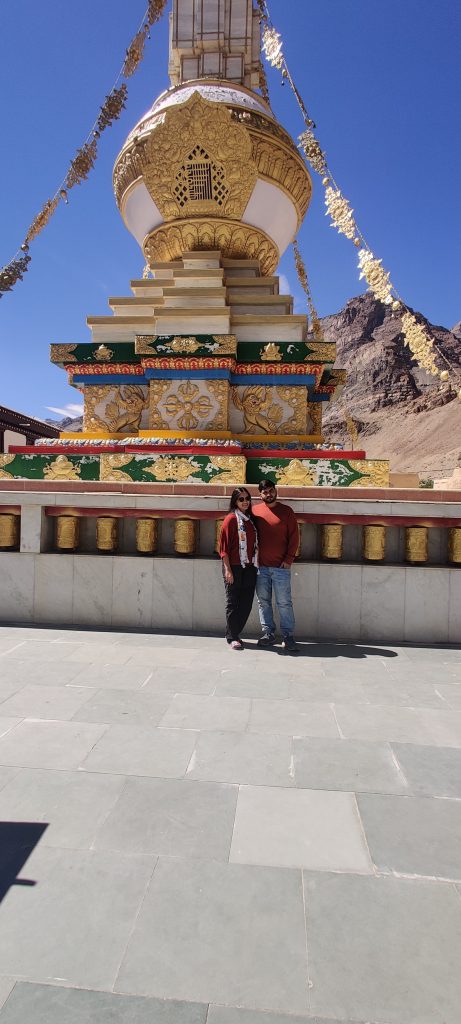
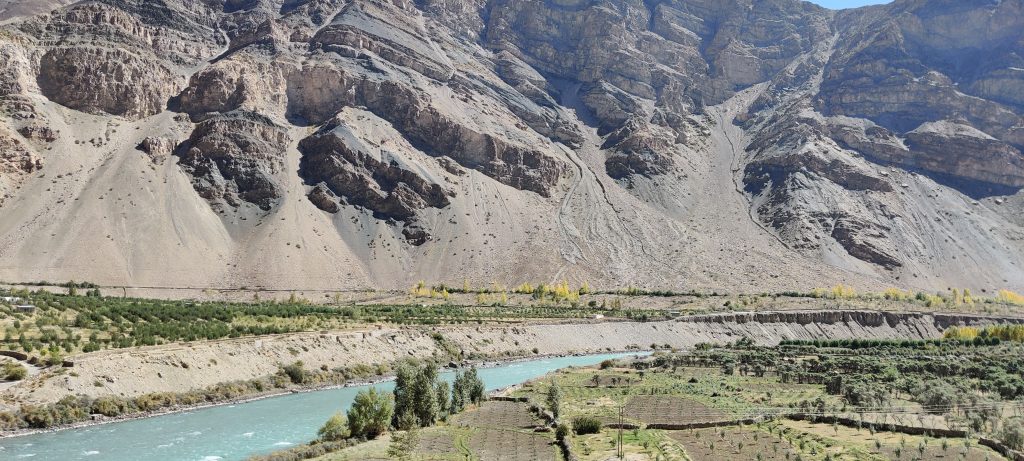
Today, we’re finally heading to Kaza, the heart and headquarters of Spiti Valley, situated at an altitude of 3,800 meters. To ensure your body adjusts to the high altitude, it’s essential to plan a stop of at least 2-3 days at a lower elevation before reaching here. If you’re on a tight schedule or traveling with elderly family members, consider starting a course of Diamox to prevent high-altitude sickness and make your journey smoother.
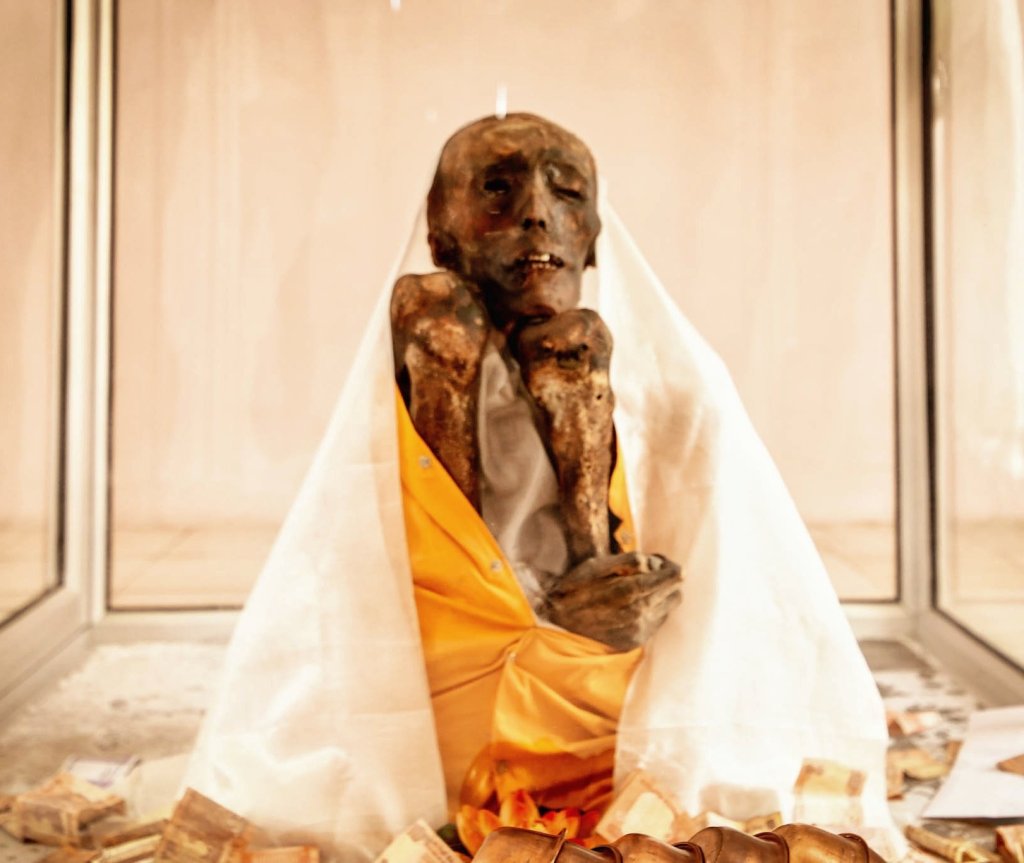
We left Nako at 9 AM and en route, stopped at Gue Monastery and Tabo Monastery. Gue houses a perfectly preserved 500-year-old mummy of a Buddhist monk. Legend has it that he was found in a sitting position with his skin and hair intact.
While, Tabo monastery is one of the oldest standing monasteries in Himachal Pradesh, built in 996AD.
In Kaza, don’t forget to visit Himalayan café and try Sea buckthorn tea. Sea buckthorn, a local berry found in the cold deserts of Ladakh and Spiti is vitamin-rich and extremely refresh.
Day 5 – Key, Kibber, Chicham Bridge, Hikkim and Langza
Today, we planned a circuit trip around Kaza covering Key monastery, Kibber, Chicham Bridge, Hikkim and Langza.
Key Monastery –
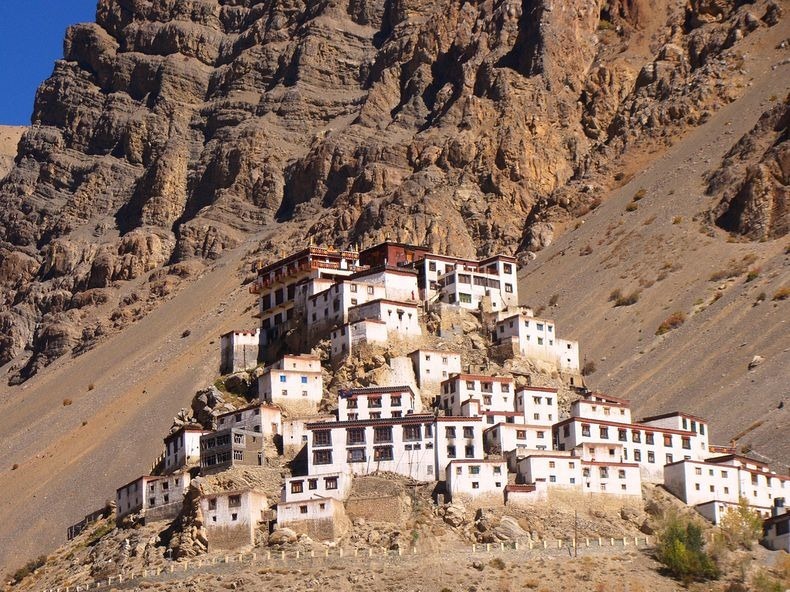
Located only 15kms from Kaza. It is one of the largest and most important monasteries in the region that almost looks like a fort.
Kibber –
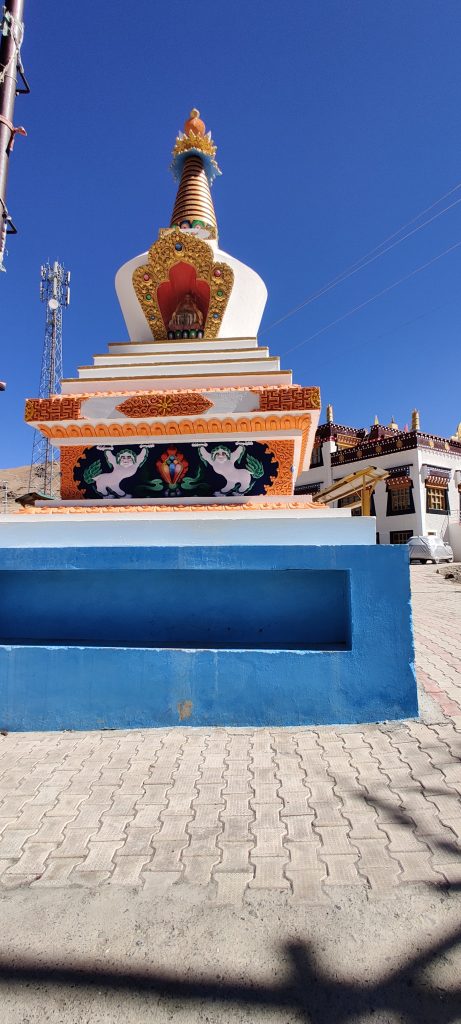
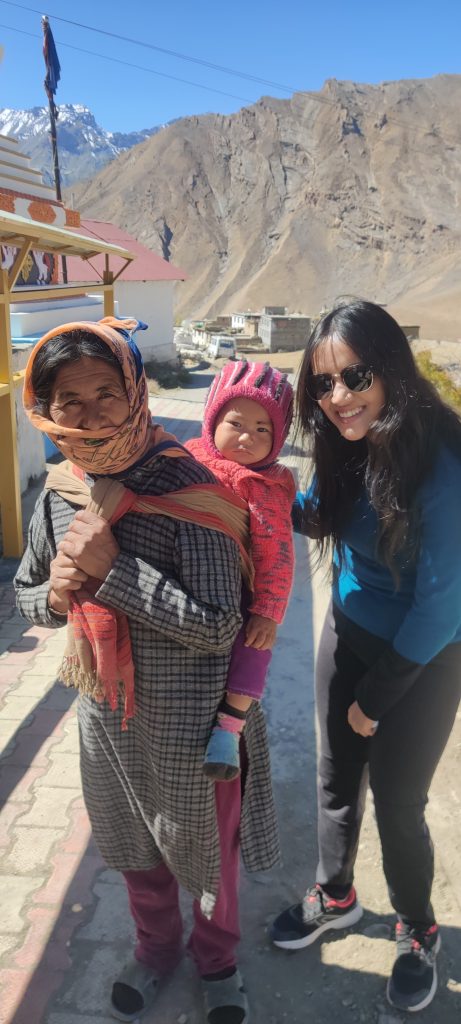
Located 20kms from Kaza, Kibber is on the same road as Key. Kibber Wildlife sanctuary is known for spotting snow leopards in winter.
Chicham Bridge –
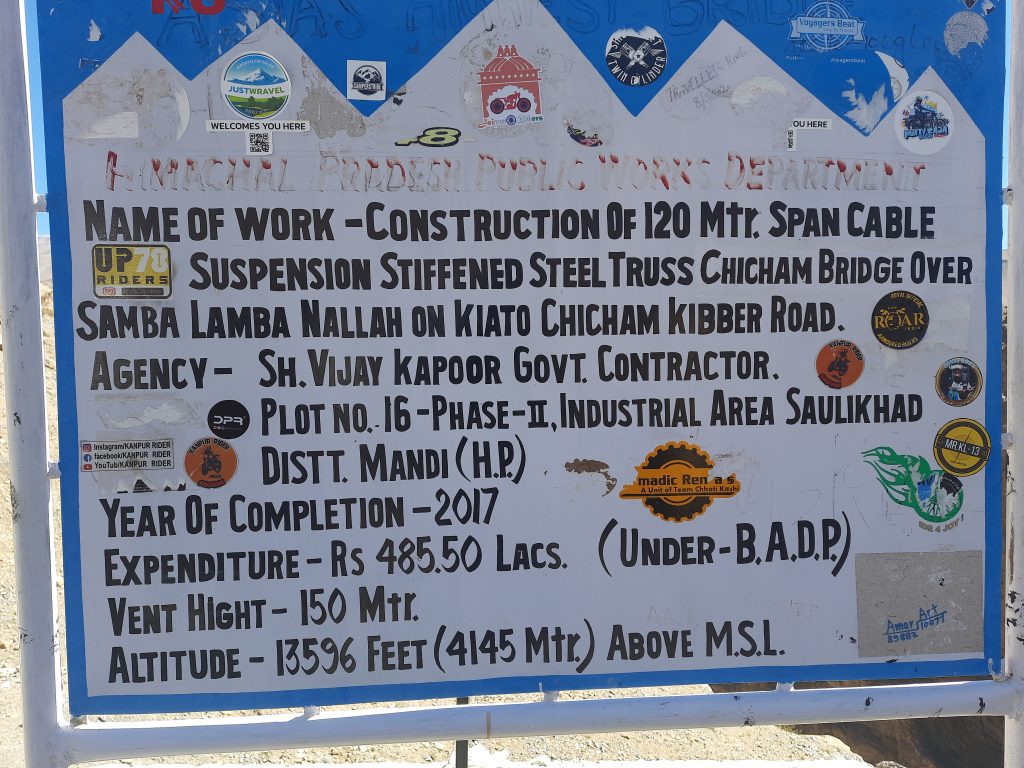
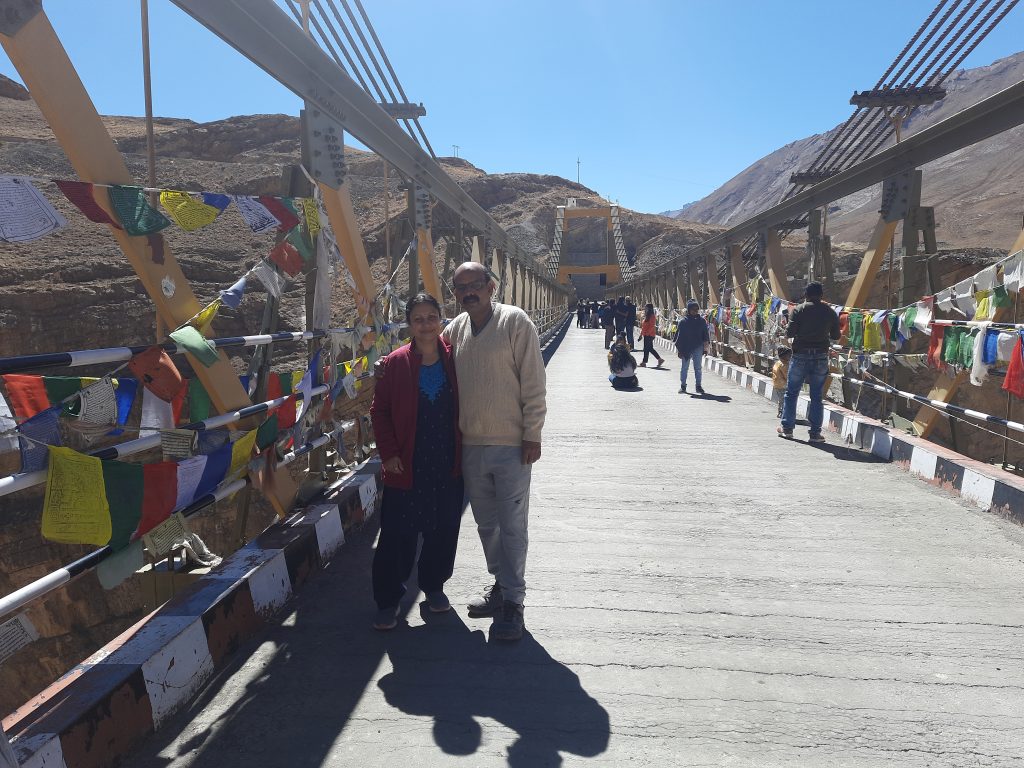
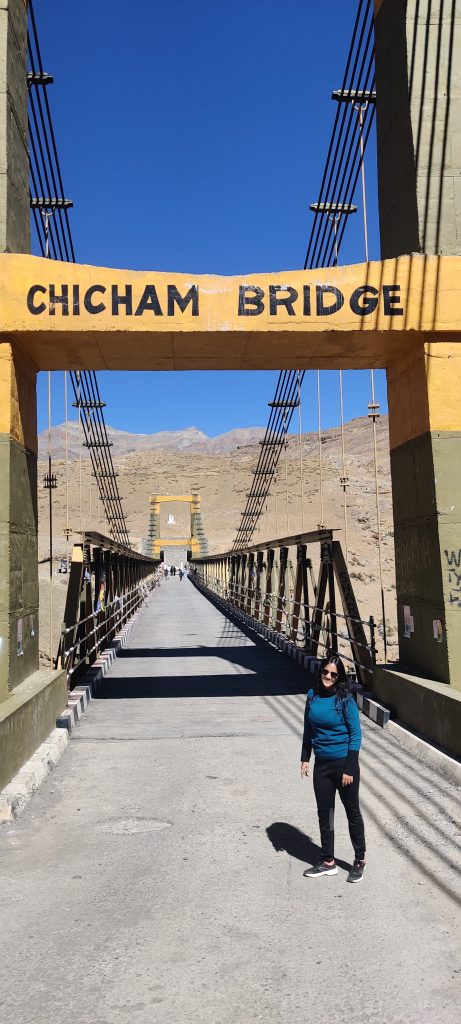
Perched at a staggering altitude of 4,500 meters, Chicham Bridge proudly holds the title of Asia’s highest bridge. Connecting two remote villages in the Spiti Valley, it spans a dramatic gorge and offers breathtaking views of the rugged Himalayan terrain. Walking or driving across this engineering marvel is an experience in itself, giving you a true sense of Spiti’s untouched grandeur.
Hikkim –
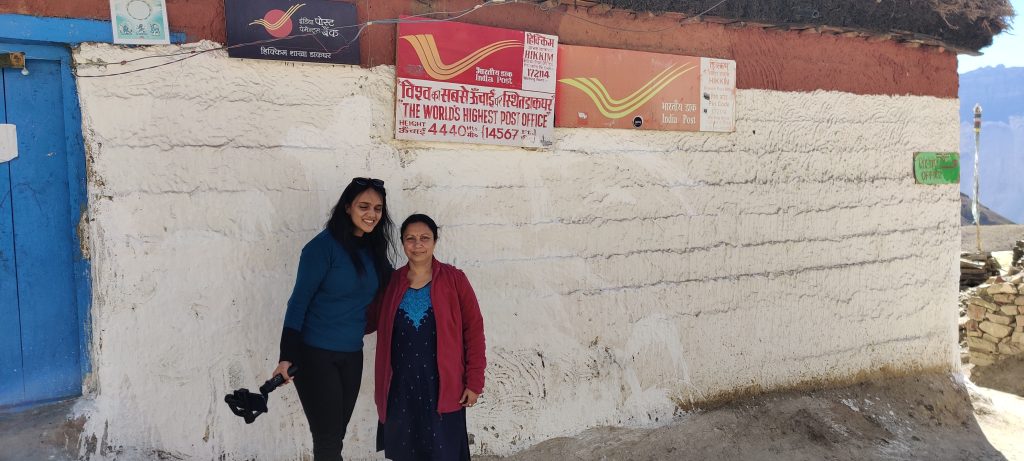
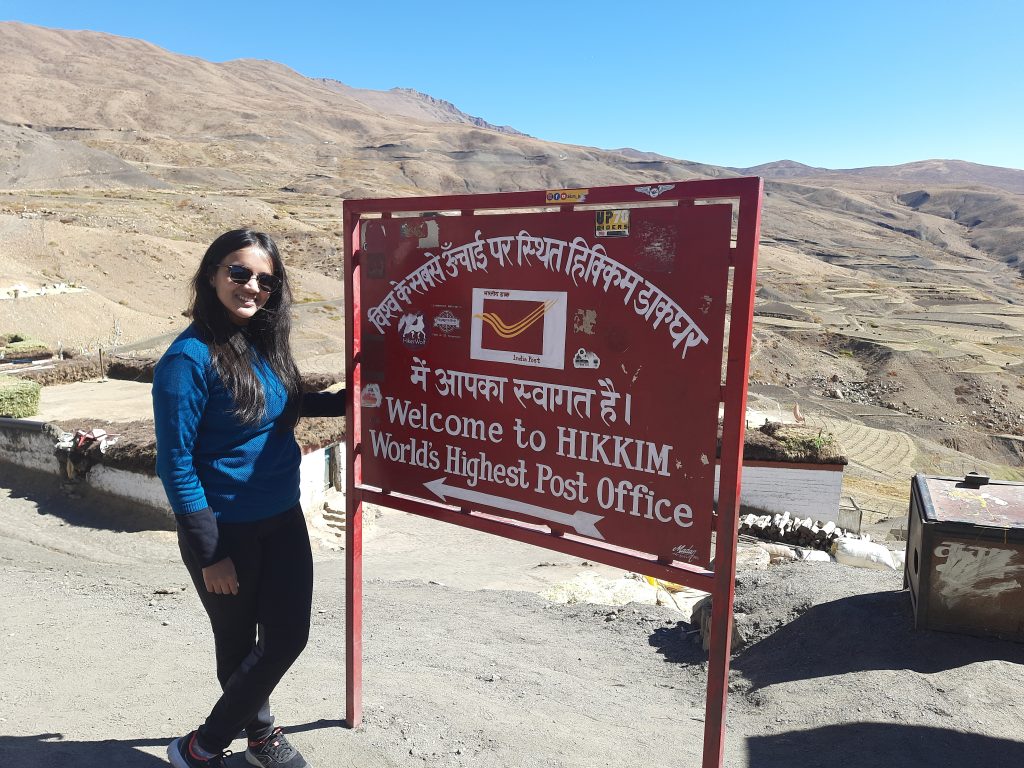
Hikkim is home to the world’s highest post office, sitting at an altitude of 4,400 meters. This humble post office connects the remote Spiti Valley with the rest of the world, allowing travellers to send postcards from the rooftop of the world.
Langza –
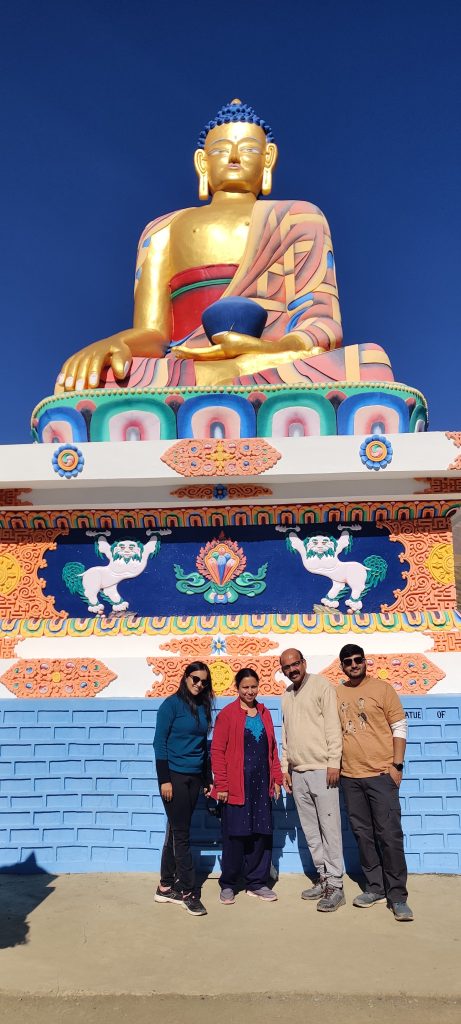
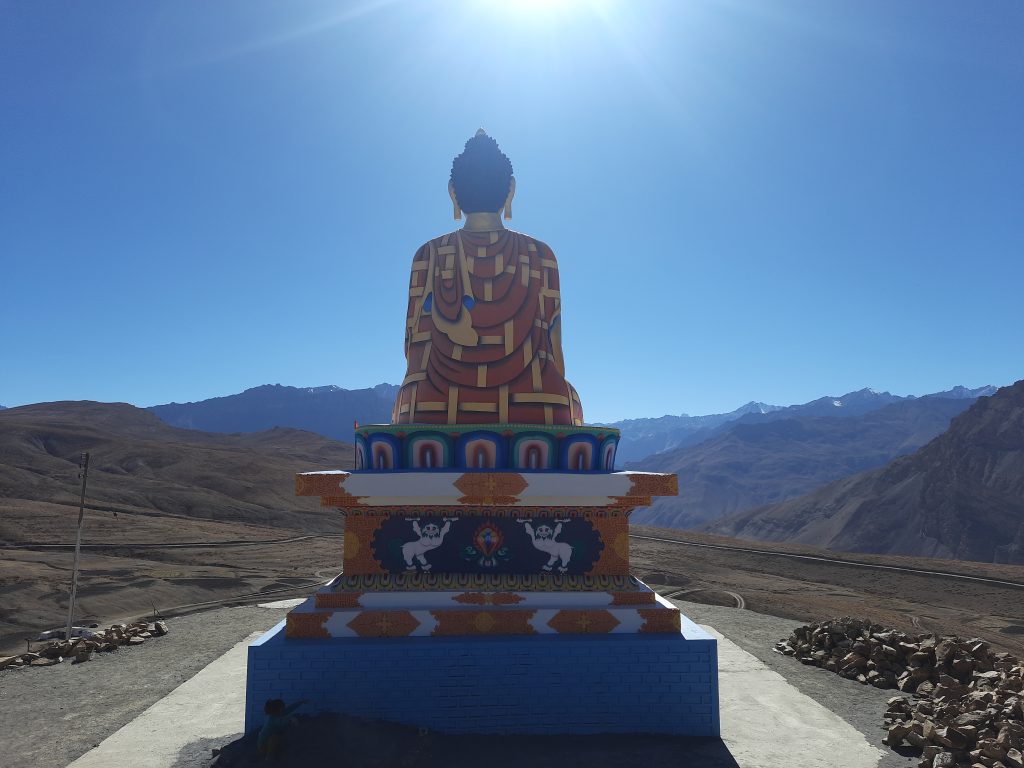
If you’ve ever come across images of a majestic Buddha statue overlooking snow-capped mountains, chances are it’s the iconic Buddha statue of Langza. This serene village isn’t just known for its statue but also for being a treasure trove of marine fossils. Remember, these fossils are part of the region’s heritage—please admire them responsibly and leave them where they belong.
Day 6 – Kaza to Chandrataal and back
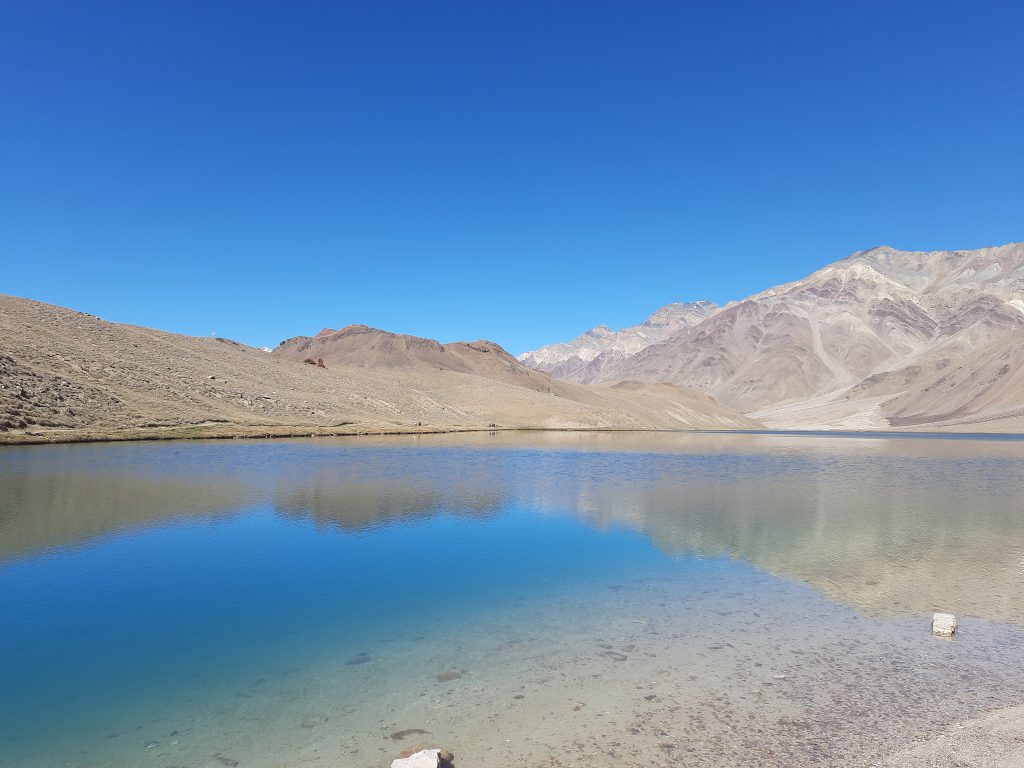
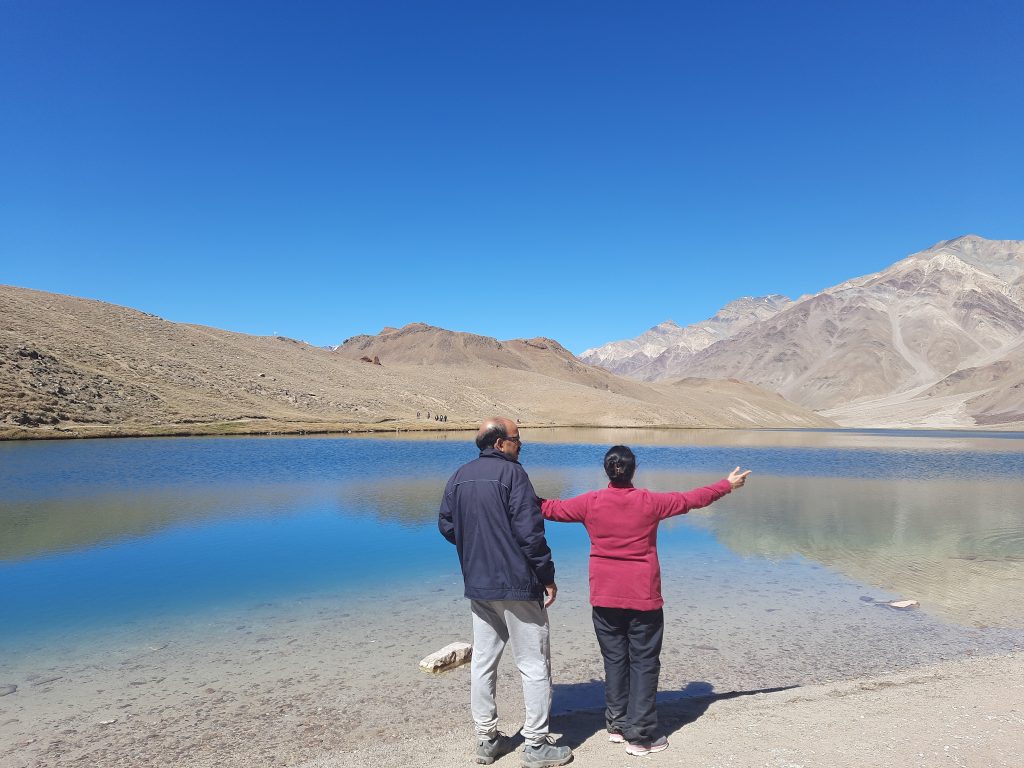
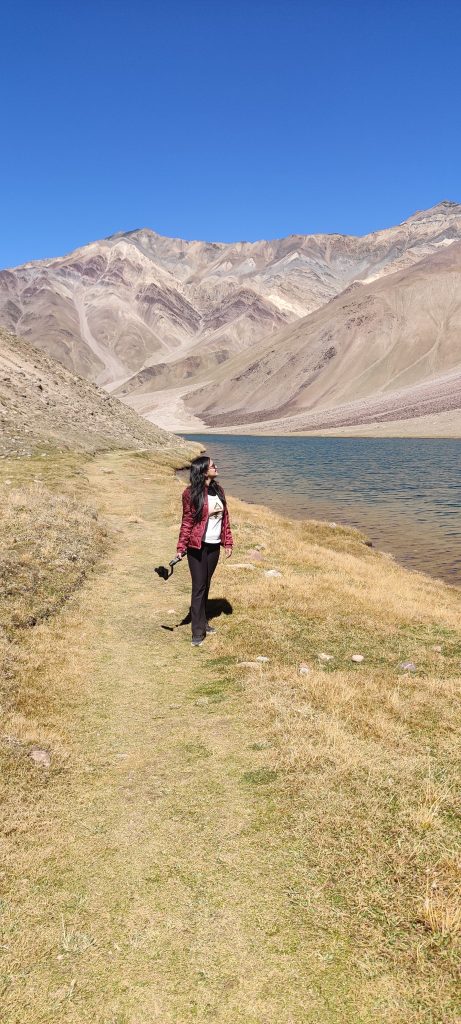
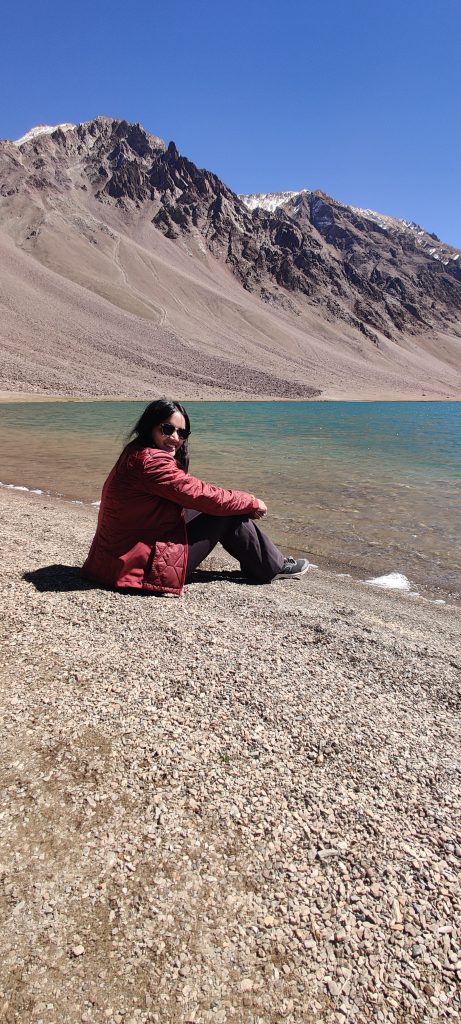
We planned a day trip to Chandratal, located about 100 kilometers from Kaza. Starting early at 7 AM, we stopped for breakfast at Losar. The road up to Losar is in good condition, but the remaining 40 kilometers to Chandratal consist of rough dirt tracks.
At Chandratal, vehicles must be parked 700–800 meters away from the lake, followed by a short hike to reach its serene waters. It’s easy to see why visitors are mesmerized by the beauty of this lake. The vivid blue of the water, set against towering peaks and lush green meadows, is nothing short of breathtaking. I highly recommend doing a parikrama (circumambulation) of the lake, as the views from the far end are equally, if not more, stunning.
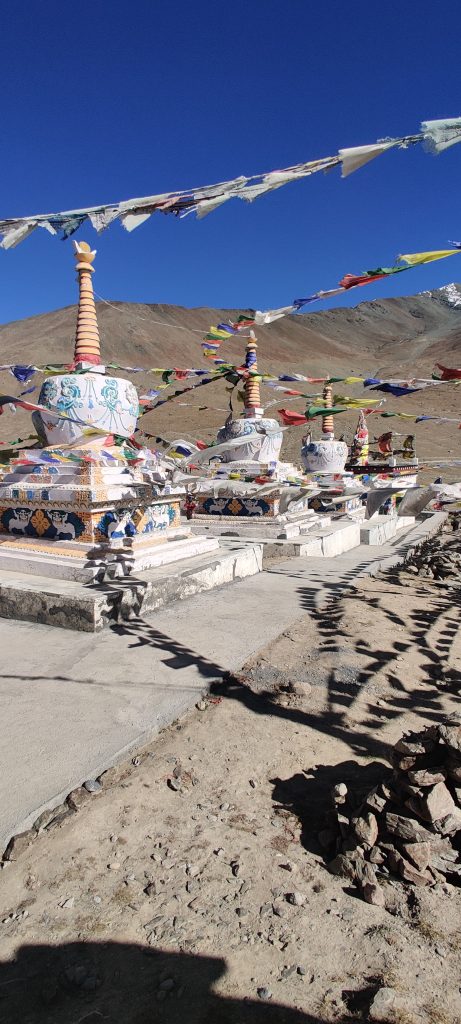
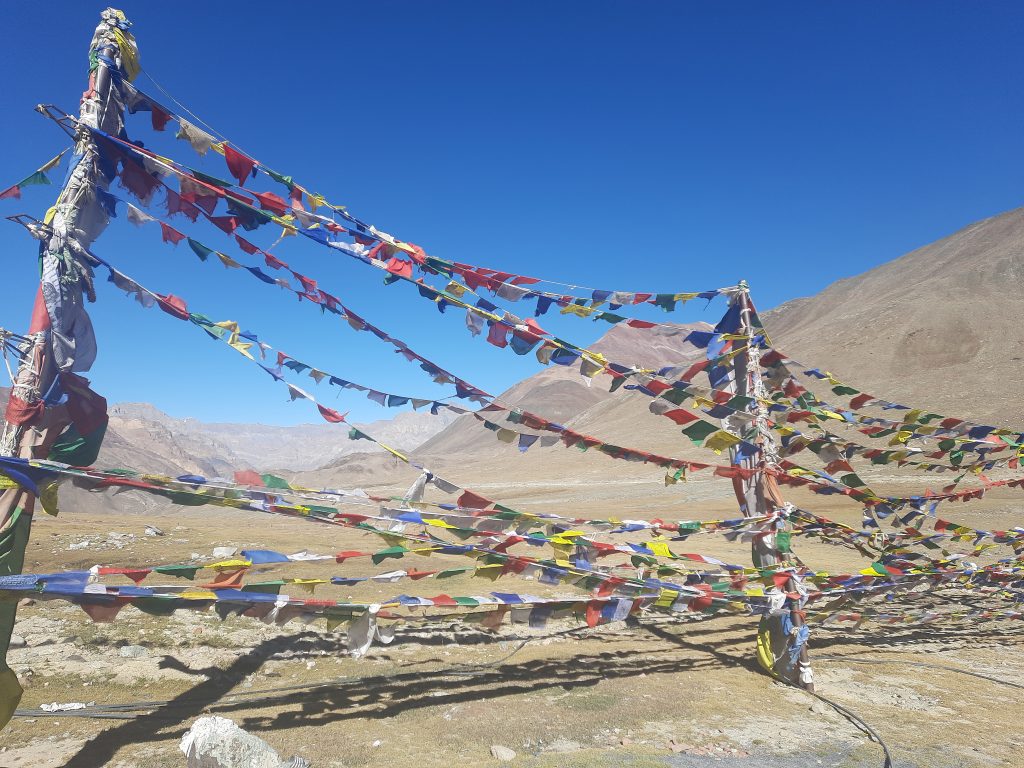
On our way back to Kaza, we took a detour to visit Kunzum Pass, one of the highest motorable passes in India. We spent some peaceful moments at the Kunzum Mata Temple, which is a revered spot for travelers seeking blessings for a safe journey. This breathtaking pass, connecting Manali to Kaza, typically closes from mid-October onwards due to heavy snowfall, so plan your trip accordingly to experience its beauty.
Day 7 – Kaza to Pin Valley (Mud Village)
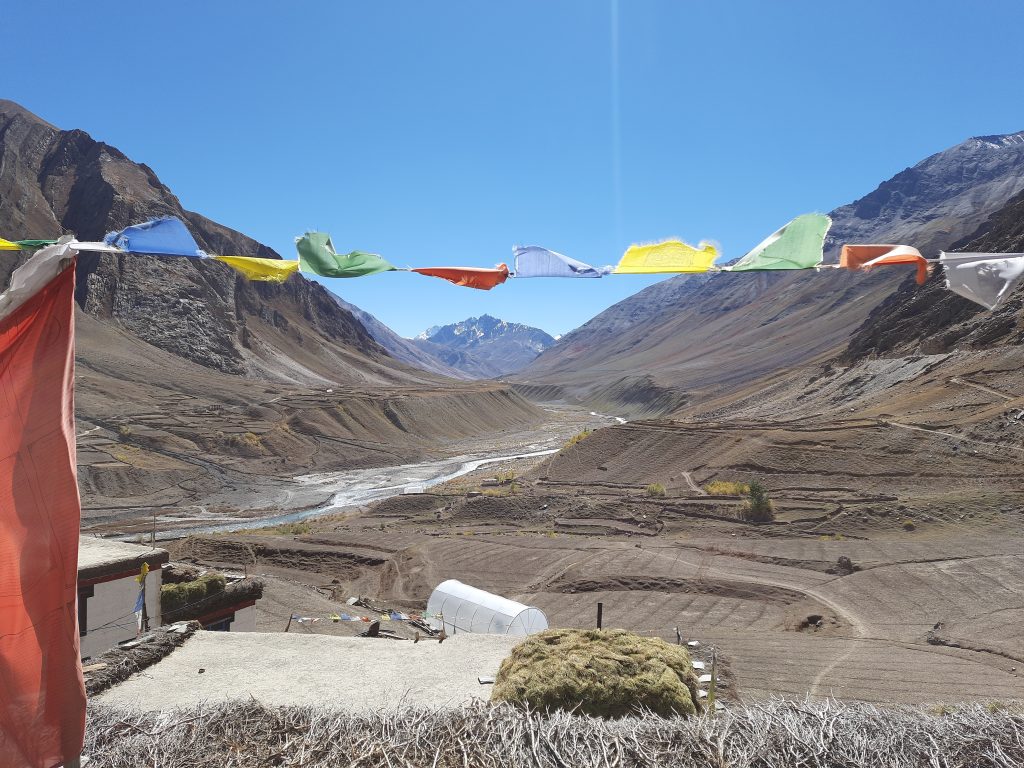
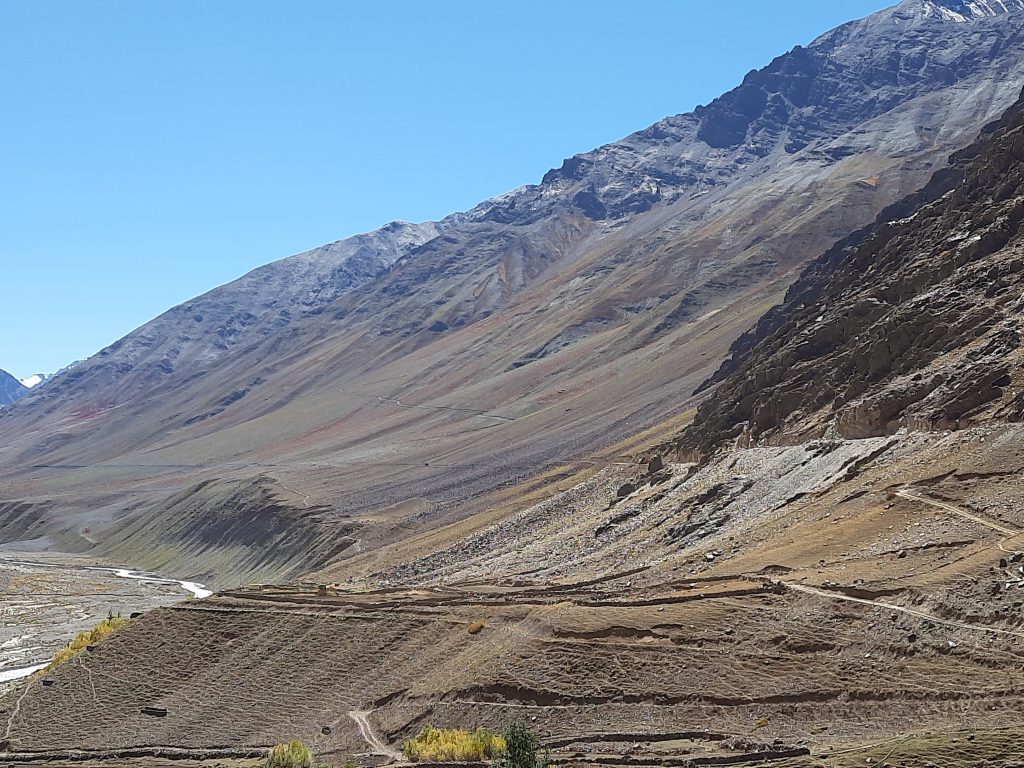
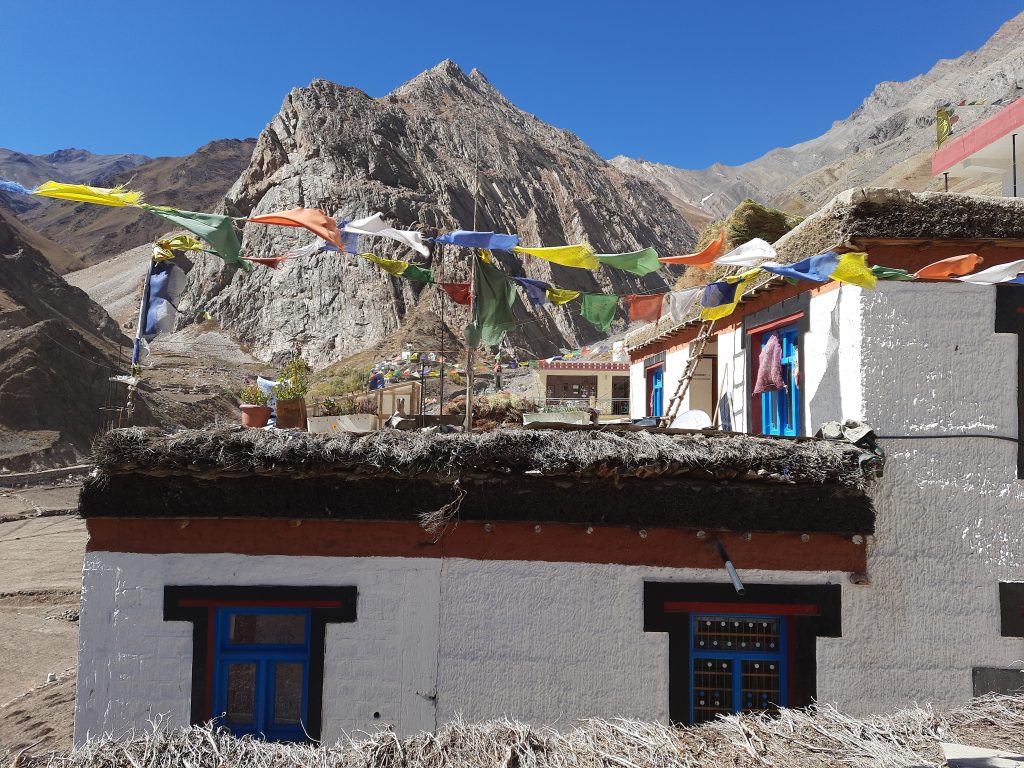
Mud Village, the last settlement in Pin Valley, is a haven for trekking enthusiasts, serving as a base for the famous Pin Bhaba and Pin Parvati treks. It is approximately 50kms away from Kaza. If you visit Mud right after the rainy season in July, the valley transforms into a lush green paradise, with vibrant pea farms adding to its charm. Fun fact: local farmers reportedly exported peas worth ₹1 crore in 2020, showcasing the region’s agricultural significance alongside its natural beauty.
Day 8 – Pin Valley to Kalpa
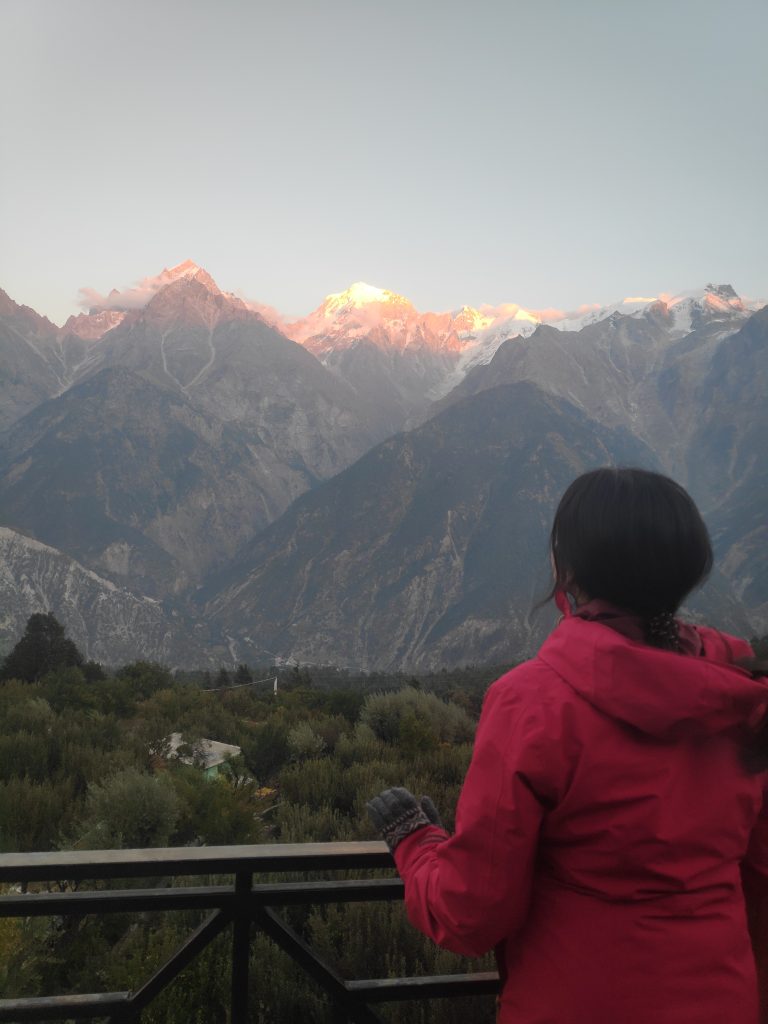
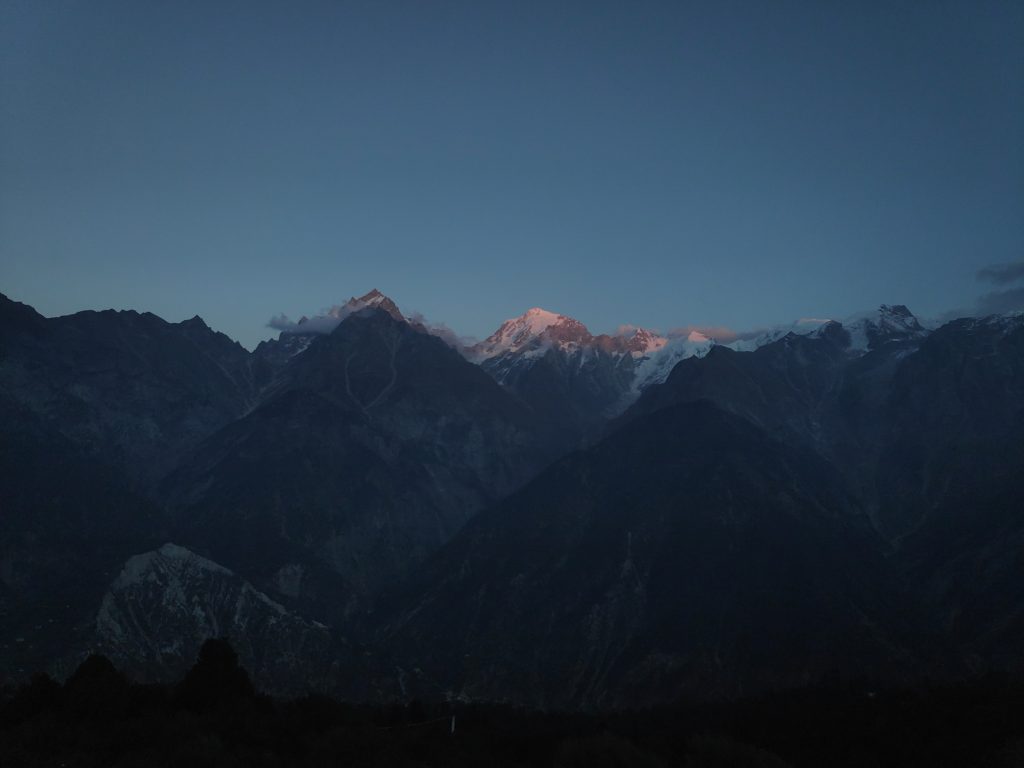
The journey from Pin Valley to Kalpa covers approximately 200 kilometers and takes around 8–9 hours, depending on road conditions. As you descend, the terrain transforms from stark, high-altitude desert to lush green valleys.
Day 9 – Kalpa to Shoghi
From Kalpa, the drive to Shoghi is approximately 270 kilometers and takes about 9–10 hours. If you are a wine lover like me, stop at any of the HPTC wine shops and grab some delicious fruit wines.
Day 10 – Shoghi to Delhi
The final leg of the journey, from Shoghi to Delhi, spans roughly 340 kilometers and takes about 7–8 hours. This drive gradually transitions from hilly roads to the plains, offering glimpses of small towns and farmlands along the way.
With memories of Spiti’s breathtaking landscapes and unique culture, the return to Delhi feels like a bittersweet end to an incredible adventure. As you approach the city, the bustling energy contrasts sharply with the serene mountains, marking the end of a transformative 10-day journey.
Homestays in Spiti Valley
Sharing the list of the accommodations during our travel. We tried to book homestays in the remote villages of Nako and Pin Valley to experience village life at Spiti. In these homestays, you stay with the locals, eat local food, and understand their way of life while learning nuances of their customs and traditions. I have also linked the booking sites to these accommodations so you can check the latest price.
Matiana (1 night) – Echor Cottages, Narkanda
Kalpa (1 night) – Hotel Kalpa Deshang
Nako (1 night) – Tashi Homestay
Kaza (3 night) – The Alpinist
Pin Valley (1 night) – Tara Homestay
Kalpa (1 night) – Echor, The Alpine Crest
Shoghi (1 night) – Aranya Vilas
Budget for Spiti Valley
The total budget for our 10-day Spiti trip in 2021 was approximately ₹30,000–₹35,000 per person, which included food, stay, and petrol costs. This estimate was based on a shared road trip using a personal vehicle, with moderate accommodations and meals at local eateries. However, it’s important to note that hotel prices have likely increased since then, so plan accordingly if you’re recreating this itinerary. Keeping some buffer for unexpected expenses is always a good idea, especially when traveling in remote areas like Spiti.