March 2026.
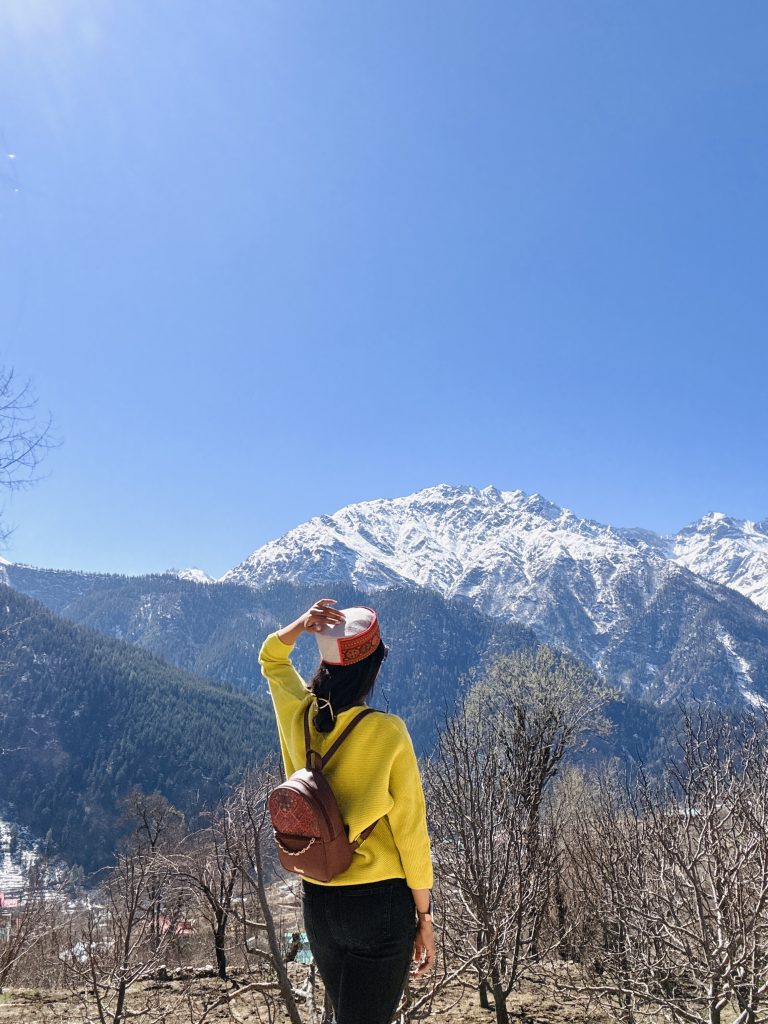
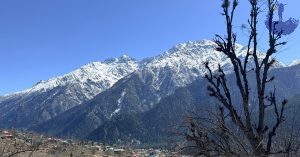
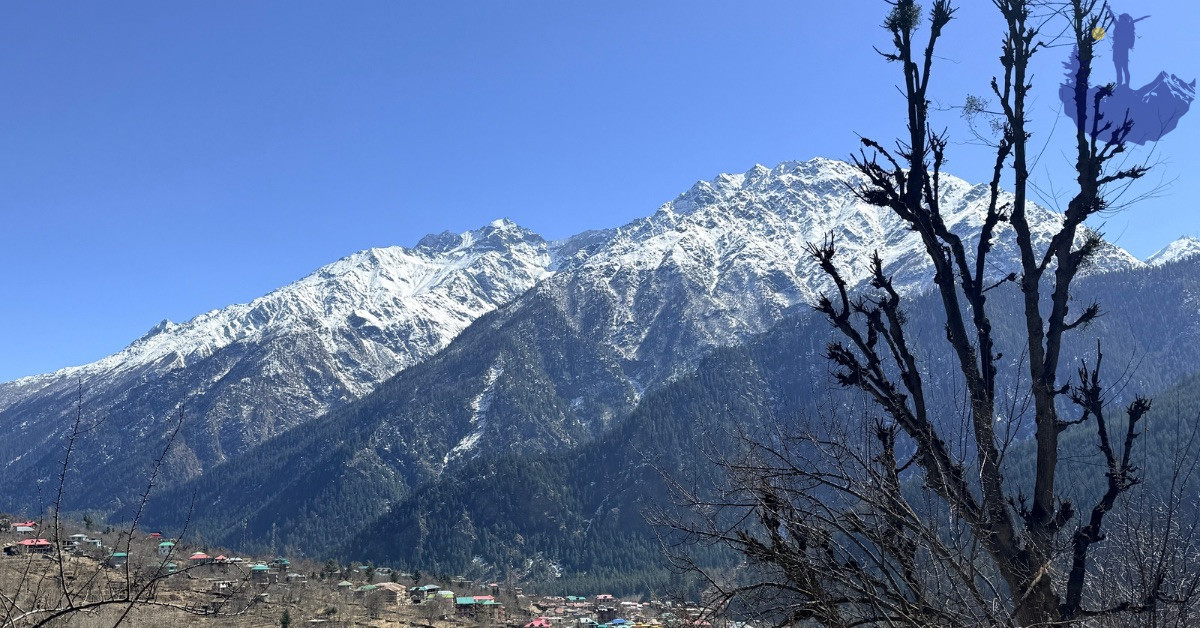
I was in Sangla Valley, soaking in everything that makes it magical—snow-dusted peaks, wooden homes, the Baspa River humming in the background, and of course… Holi.
But here’s the thing no one really tells you.
Sangla during Holi? It’s beautiful, yes—but also crowded, loud, and a little overwhelming.
And that’s exactly how I accidentally discovered Kamru.
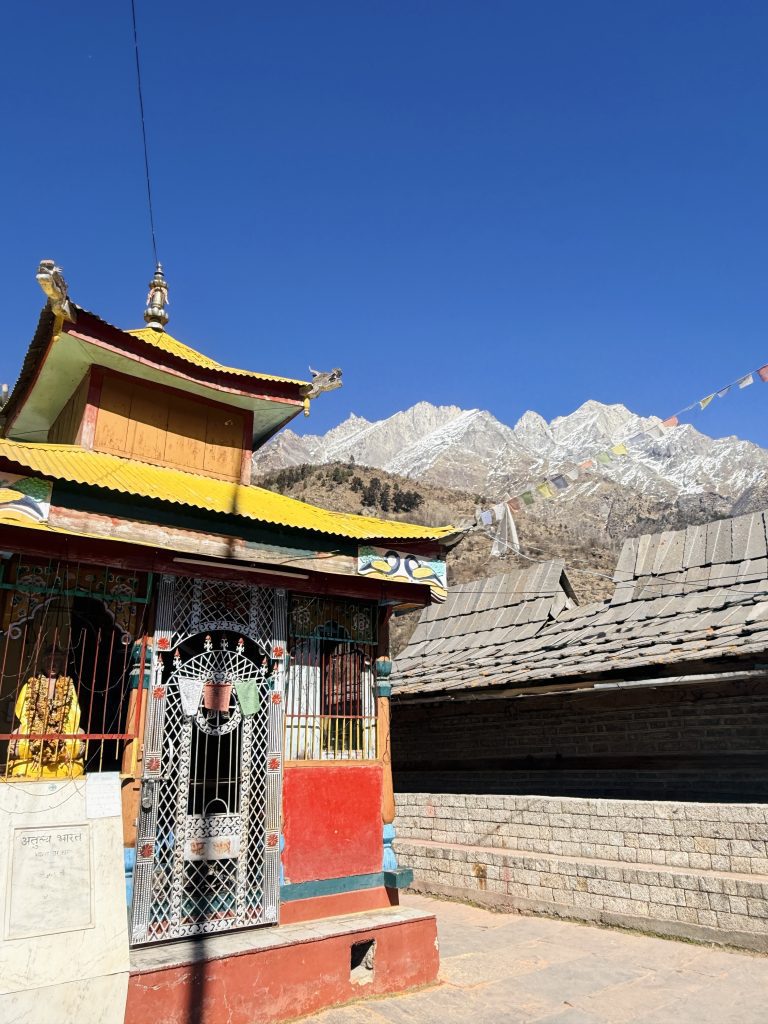
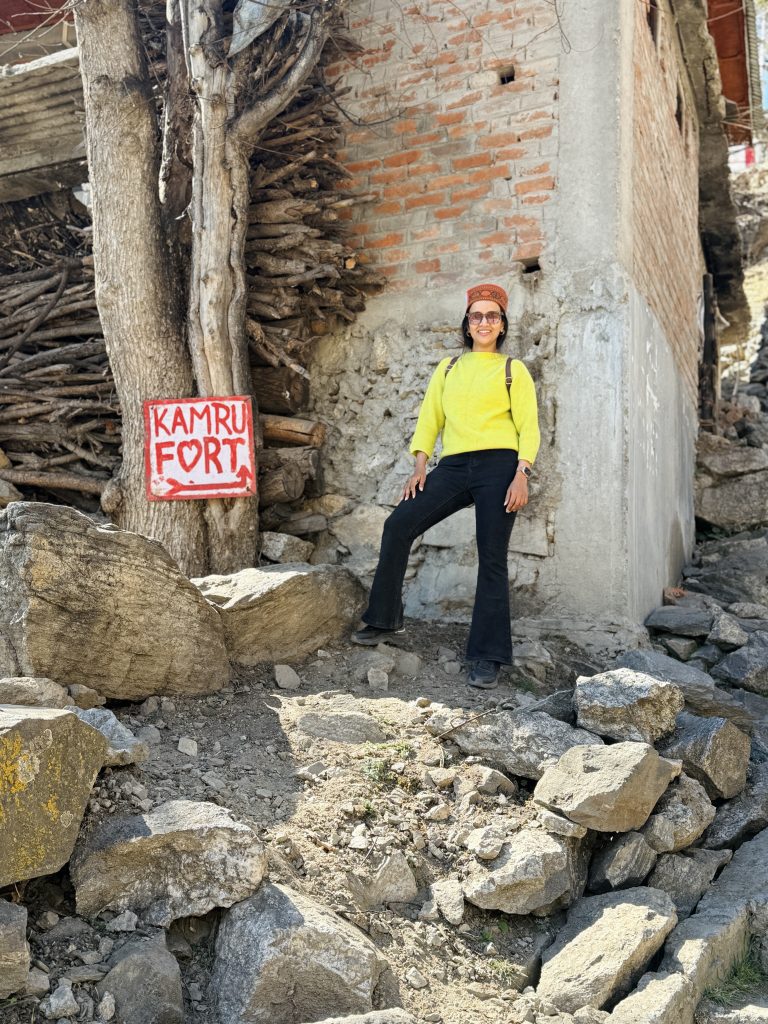
Just about 2 km from Sangla (a short 10–15-minute uphill walk or quick drive) lies this quiet, almost-forgotten village that feels like stepping into a completely different world.
While most people stay put in Sangla, I wandered into Kamru Village—and honestly, it became the highlight of my trip.
Here’s why you really shouldn’t skip it.
When Sangla gets too loud, Kamru feels like a breath
As much as I loved Sangla, Holi brought in crowds from everywhere. Narrow lanes, packed stays, loud celebrations—it can get a bit too much.
Kamru, in contrast, felt like someone turned the volume down on life – Fewer tourists; slower pace; more authentic village vibe
It’s the kind of place where you hear wind, temple bells, and your own thoughts again.
Also—practical tip?
When Sangla accommodations fill up, Kamru often still has homestays available, making it a perfect backup (or even a better base).
You’re walking through the oldest chapter of the valley
Something most people miss – Kamru is actually the oldest village in the Sangla Valley.
It was once the capital of the Bushahr Kingdom before it shifted to Sarahan.
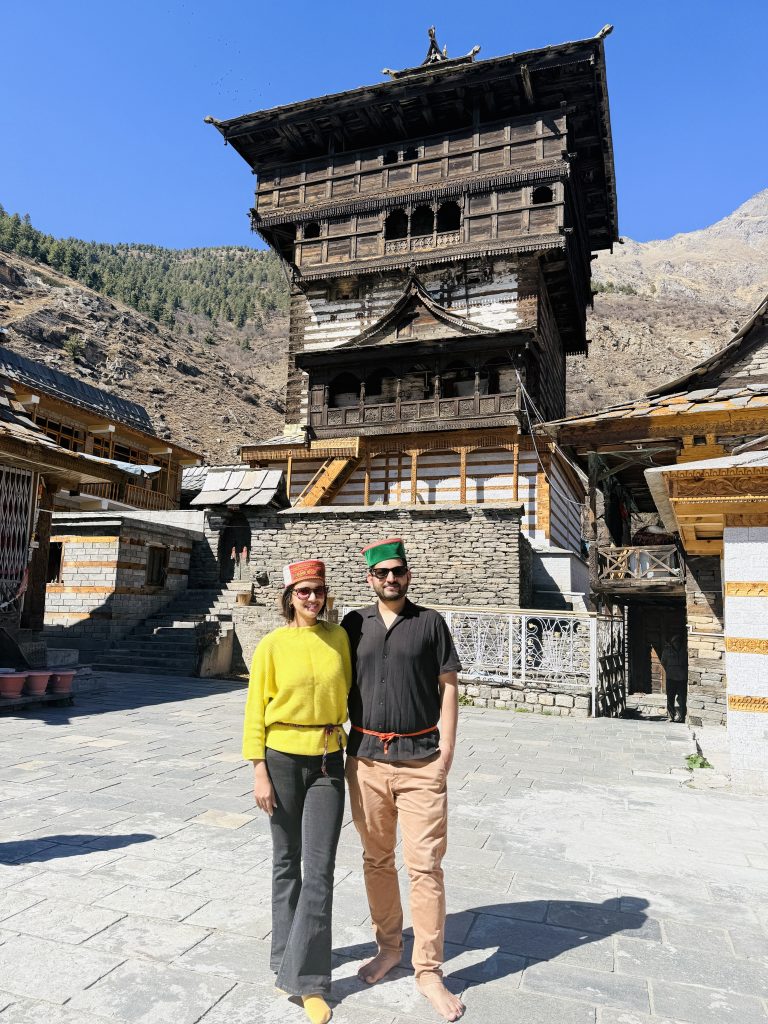
And standing tall in the middle of it all is the iconic Kamru Fort, believed to be around 800+ years old.
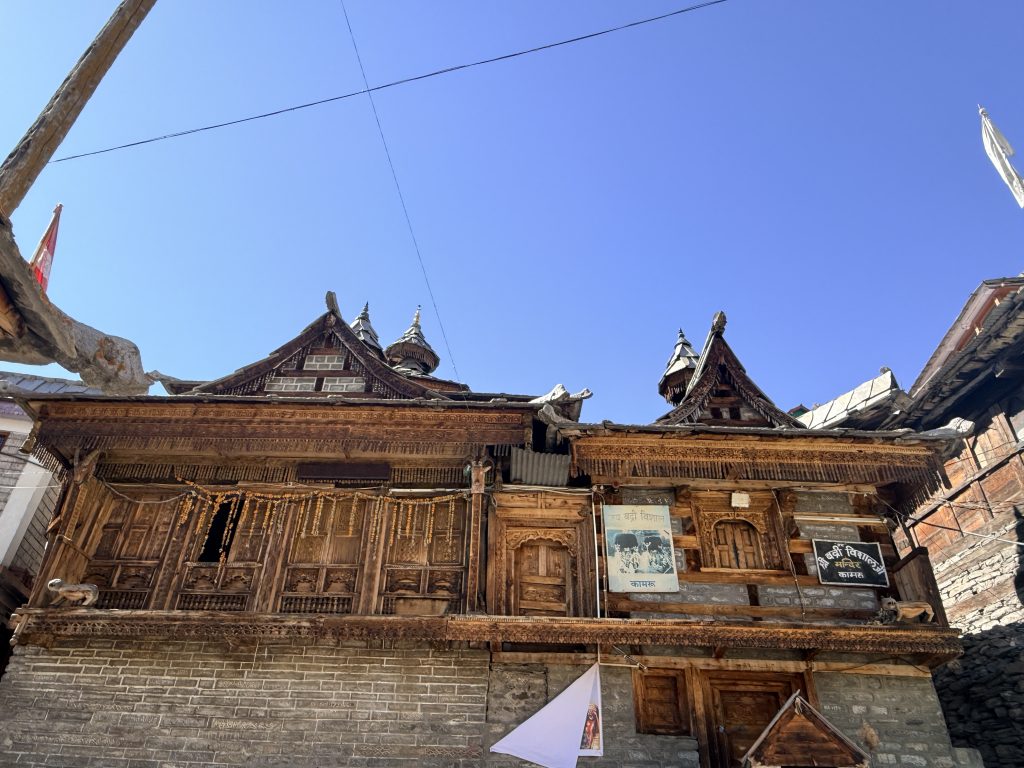
It’s not just a fort—it’s a living structure, with intricate woodwork, religious significance, and layers of history embedded in every floor.
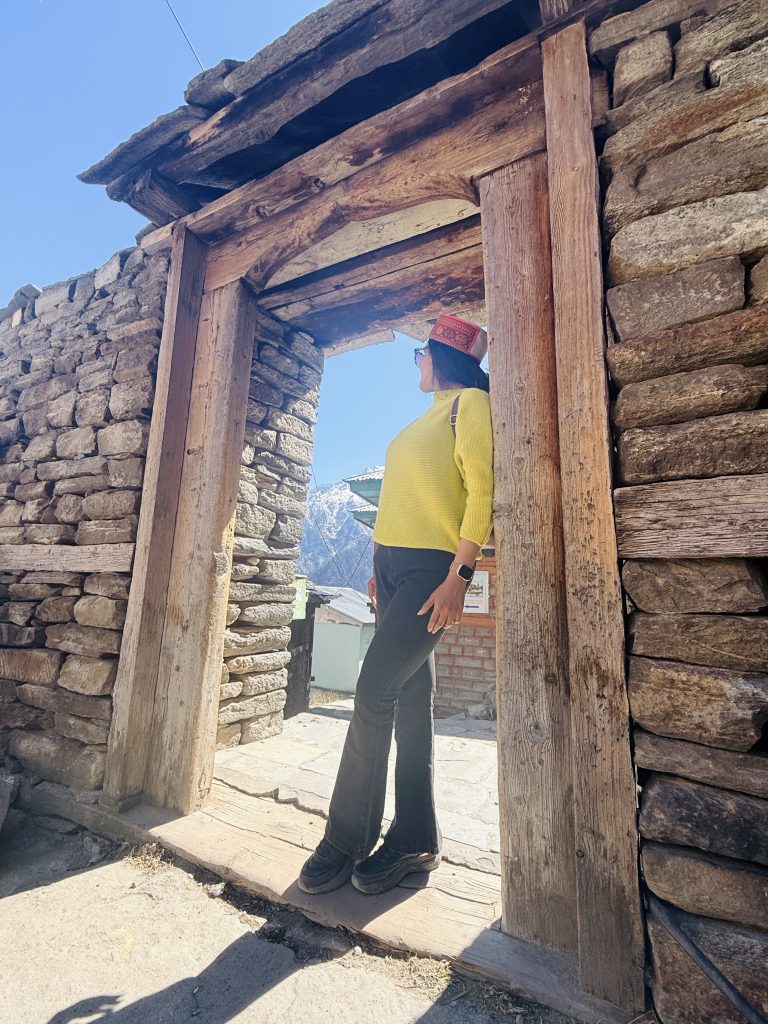
Walking through Kamru honestly felt like I had stepped into a time capsule.
A hidden spiritual circuit you didn’t know existed
For those who enjoy spiritual or cultural exploration, Kamru quietly holds some gems:
- Kamakhya Devi Temple (inside Kamru Fort)
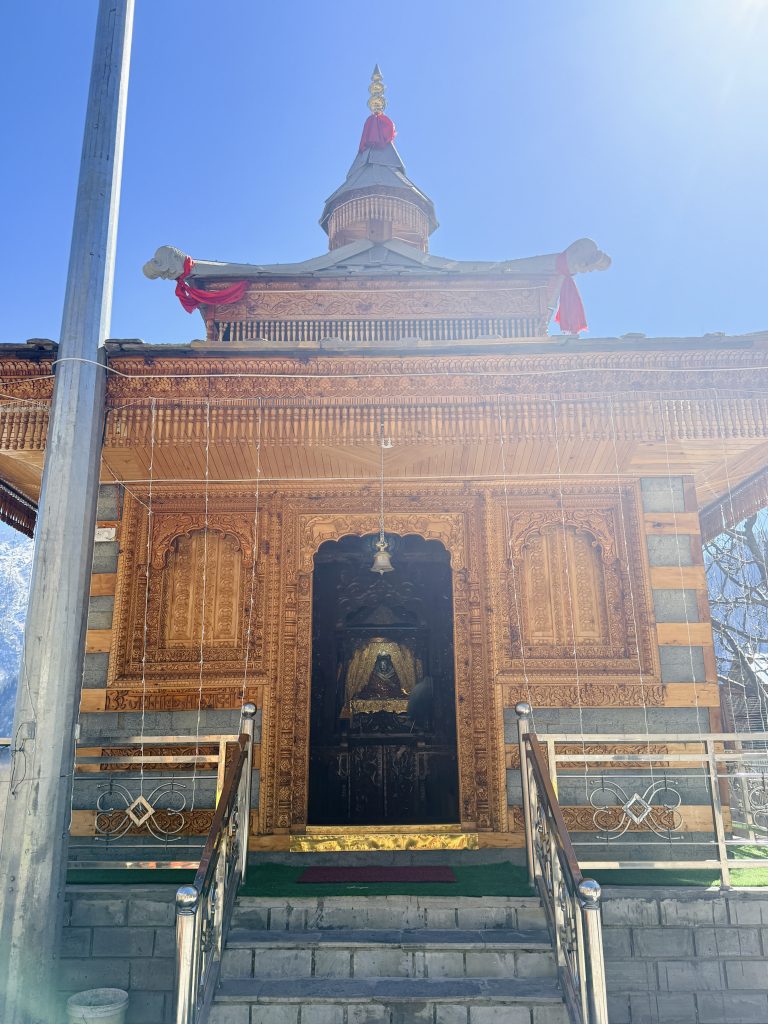
The idol here is said to have been brought from Assam, linking it to the famous Kamakhya Temple. The energy inside the fort temple is intense and deeply rooted in local belief systems. - Badri Vishal Temple
Locals consider this as an elder counterpart to Badrinath Temple, adding a layer of mythological connection to the region.
What I loved most?
There were no crowds, no rush—just quiet devotion and centuries-old traditions continuing uninterrupted.
Holi in Kamru is not just celebration—It’s storytelling
If you think Holi is just about colors—you need to see Kamru.
Here, Holi happens a day before Sangla’s celebrations, and it’s deeply theatrical.
The village enacts the story of – Hiranyakashyap (the demon king); Prahlad (devotion and faith); Holika (symbol of ego and destruction)
Locals dress up as these characters, performing rituals and symbolic acts that represent the victory of good over evil.
It felt less like a festival and more like watching a living myth unfold right in front of me.
Raw, powerful, and incredibly rooted in tradition.
The walk to Kamru might be the best part
The journey from Sangla to Kamru is short—but unforgettable.
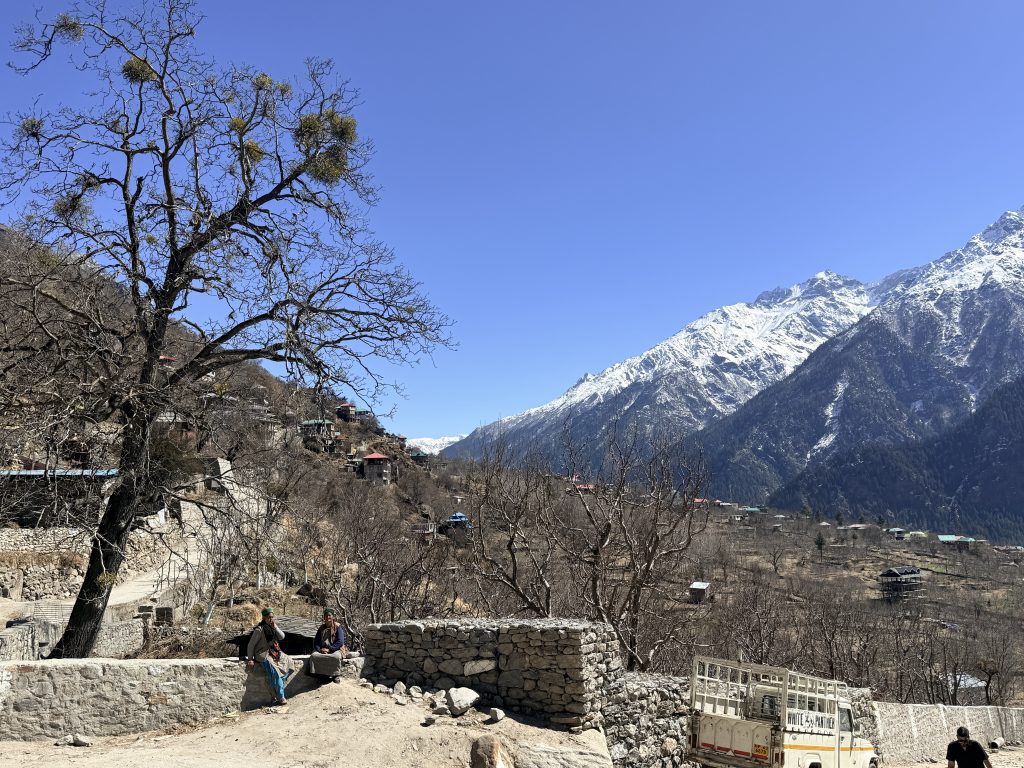
A gentle uphill walk takes you through apple orchards, traditional wooden homes, stunning views of the Baspa Valley.
It’s one of those walks where you keep stopping—not because you’re tired, but because everything around you feels worth pausing for.
Ending thoughts: Don’t just visit places, discover them
Kamru wasn’t on my itinerary.
I didn’t plan for it, didn’t research it, didn’t even know much about it.
And maybe that’s exactly why it stayed with me.
While everyone celebrates Sangla, Kamru quietly preserves history, culture, and calm—waiting for those willing to take a small detour.
So if you ever find yourself in Sangla—especially during Holi—don’t just follow the crowd. Walk 2 km further.
You might just find your favorite place there